
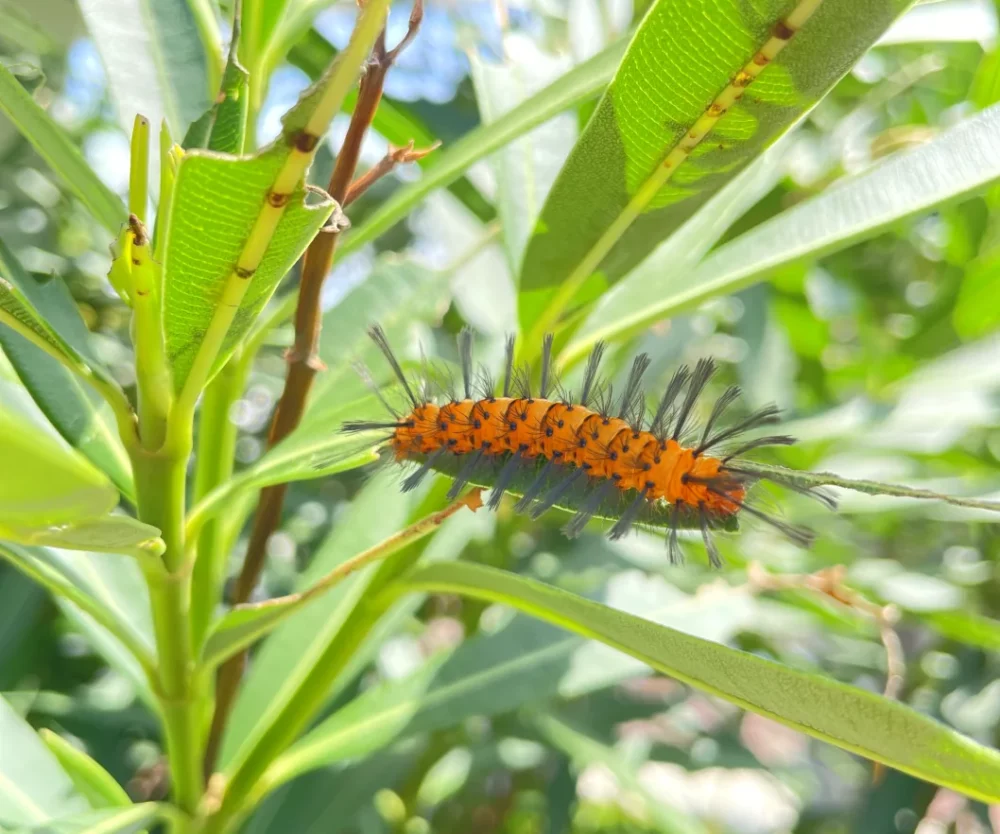
Oleander Caterpillars: Identification, Plant Damage, and Control
Identify orange-and-black oleander caterpillars and the adult polka-dot wasp moth. Understand plant toxicity, defoliation, life stages, and label-based treatment choices.
Identify orange-and-black oleander caterpillars and the adult polka-dot wasp moth. Understand plant toxicity, defoliation, life stages, and label-based treatment choices.
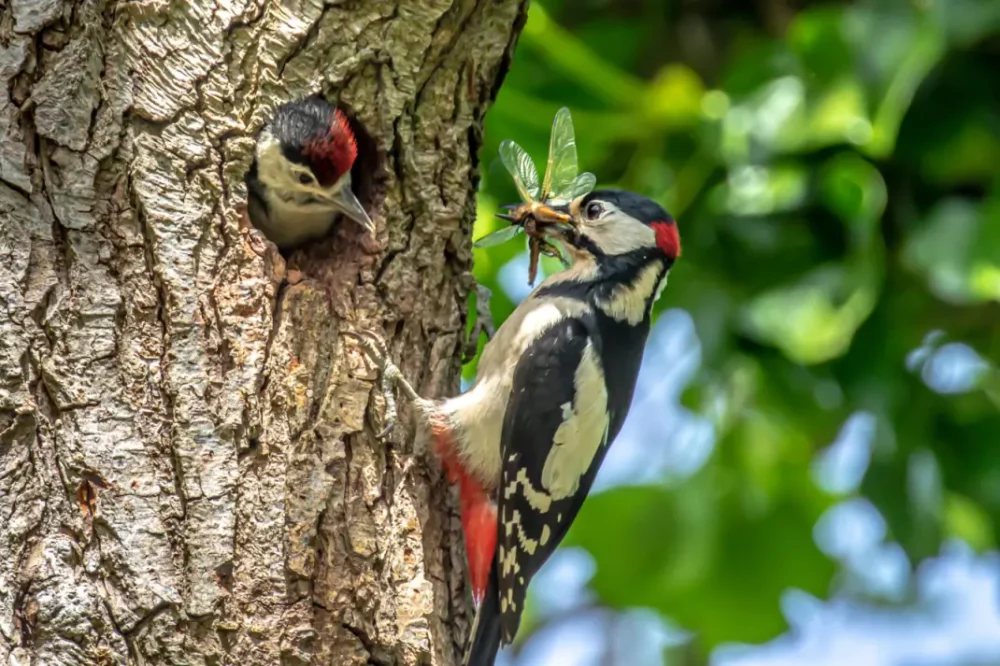
Woodpeckers peck to communicate, find food, or create cavities. Learn how to assess building damage and plan lawful prevention while protecting active nests.
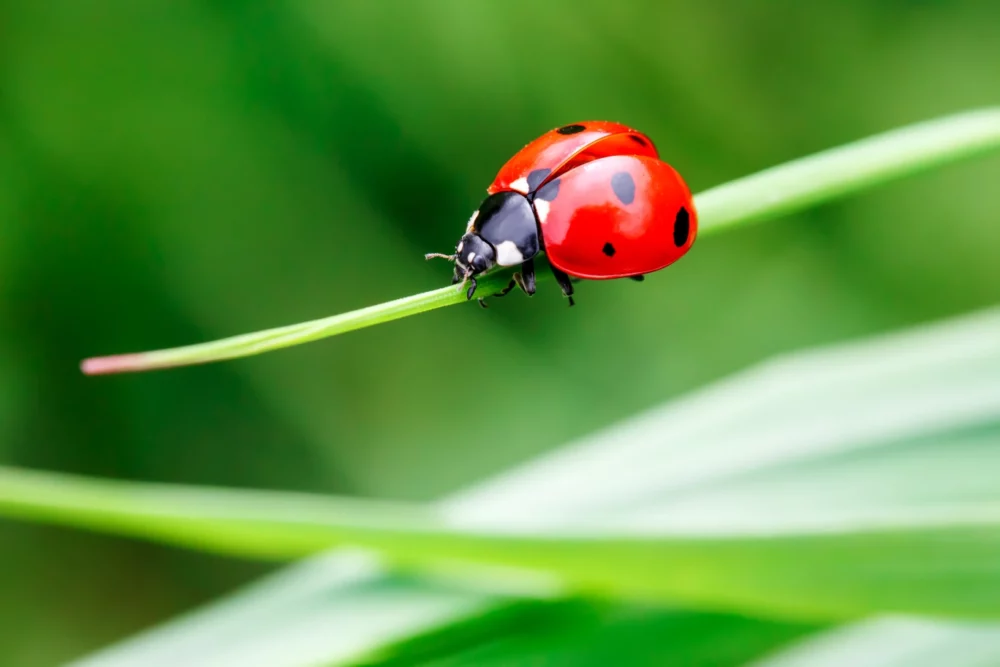
Ladybugs include males and females. Learn why spots do not determine sex, how to recognize beneficial larvae, and how Asian lady beetles differ from other species.
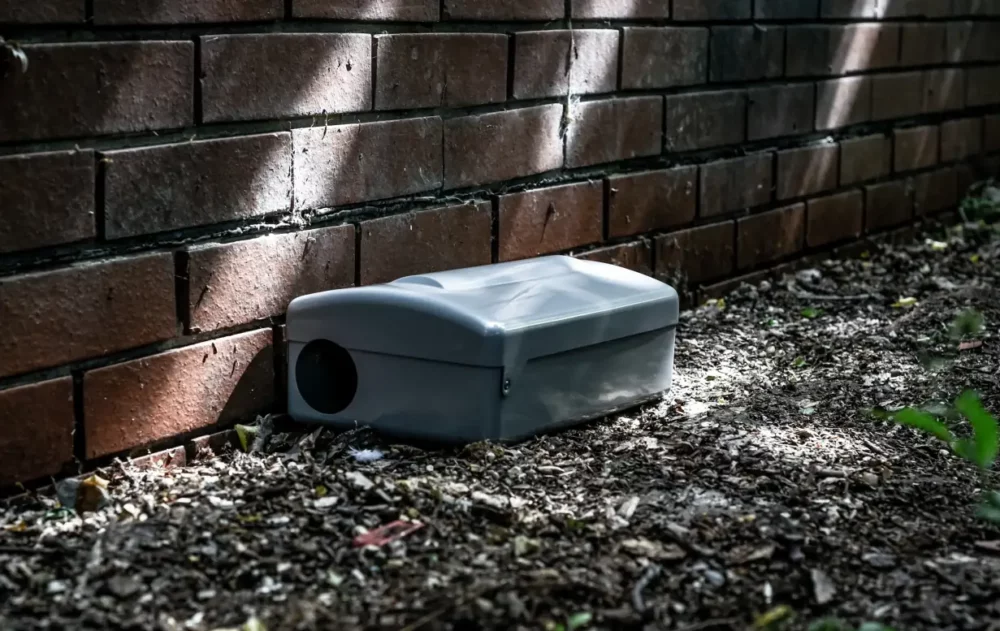
A bait station holds bait, which may be rodenticide or monitoring material. Learn how placement, labels, inspection and exclusion fit a rat or mouse control plan.
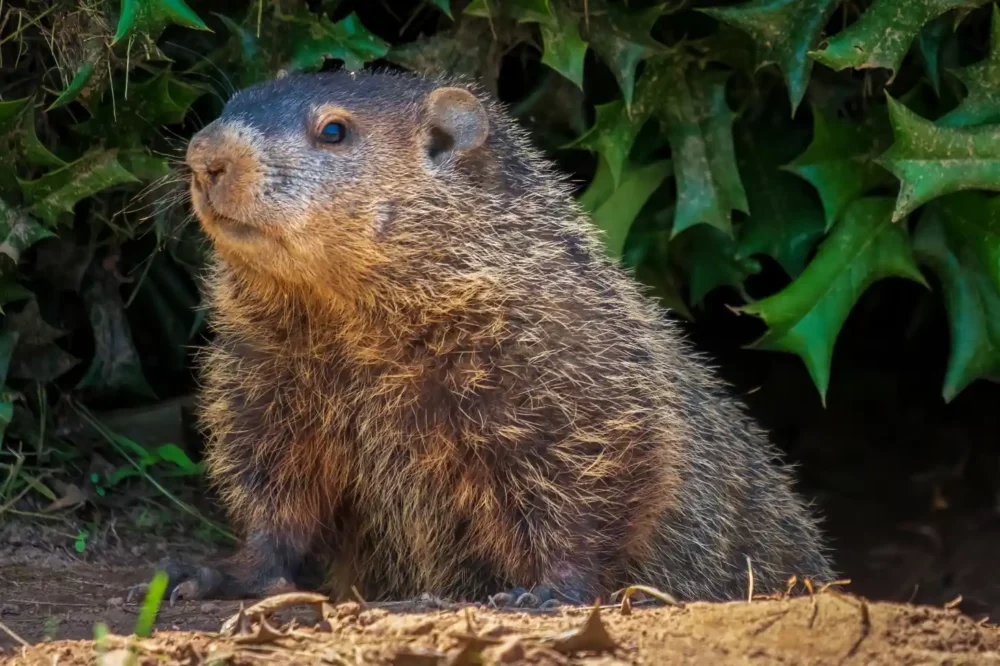
Groundhog bait decisions start with identification and a lawful plan. Extension food choices, fresh bait, observed acceptance and checks are more useful than a universal ranking.
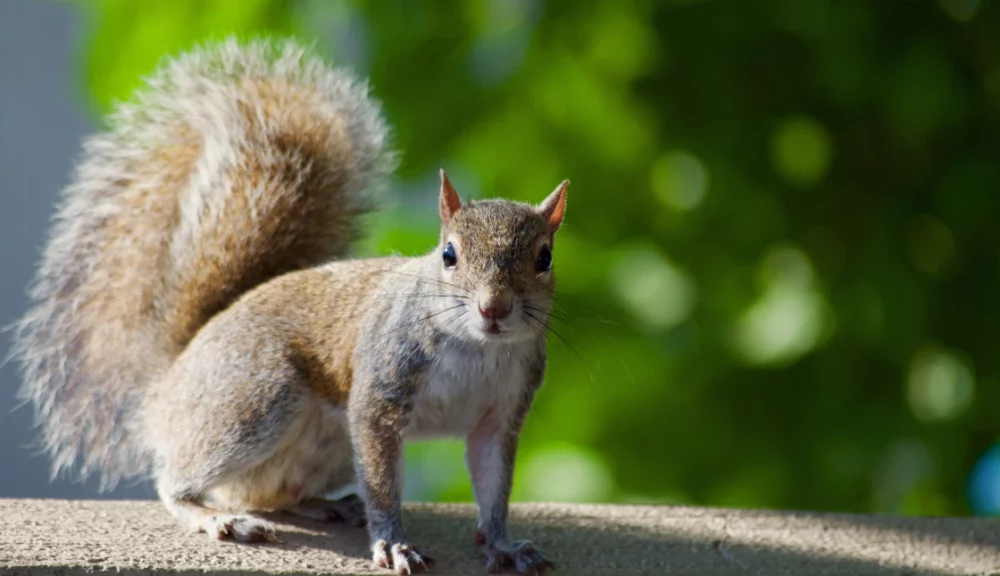
Assess squirrel activity in an attic, chimney, or wall without trapping or handling wildlife. Learn why species, dependent young, vacancy, and building repairs matter.
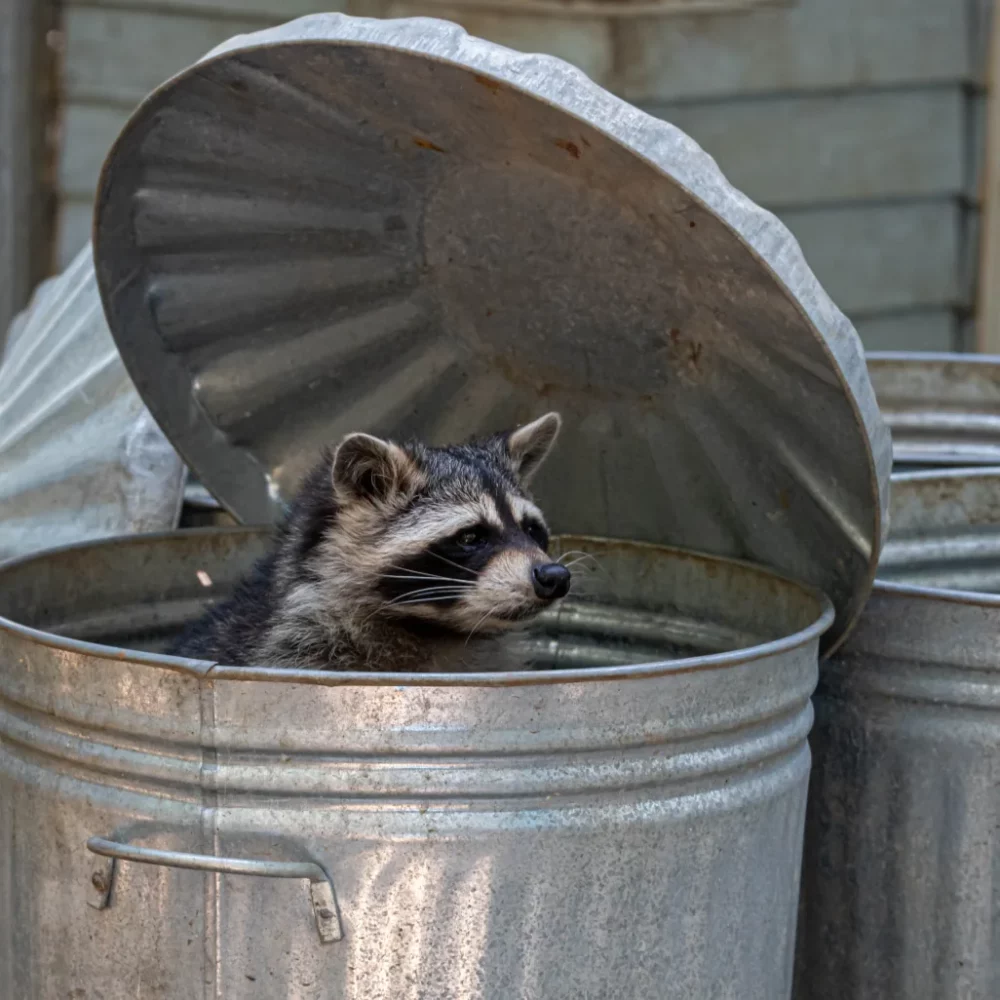
Reduce raccoon food access, distinguish passing visits from den use, and plan lawful exclusion and contamination assessment under current Florida wildlife guidance.
Learn which termite clues are distinctive, which overlap with moisture damage, and how to prepare for a licensed inspection.
Recognize termite evidence, compare species-specific treatments, and review inspection and agreement limits before authorizing work.
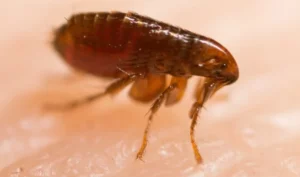
At a glance Confirm fleas with an insect or veterinary examination, not bites alone. A control plan should coordinate every pet’s care with cleaning, appropriate
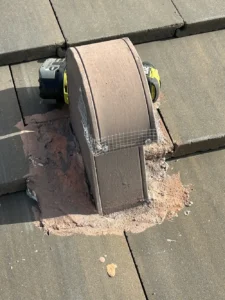
At a glance Droppings, gnawing and repeated activity can indicate rats, but no single clue establishes the species or infestation size. Document the evidence, avoid
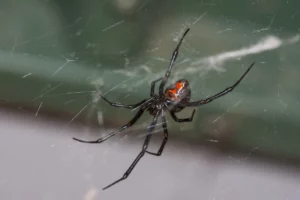
At a glance Widow spiders use sheltered, undisturbed spaces. Reduce clutter and inspect carefully; never identify a bite or a spider species from a skin