
Do You Have a Raccoon Problem? Signs and Solutions
Key Takeaways Raccoons are nocturnal, so you may hear them at night before you ever see them during the day. Overturned trash cans, torn soffit,
Key Takeaways Raccoons are nocturnal, so you may hear them at night before you ever see them during the day. Overturned trash cans, torn soffit,
Key Takeaways Cockroach season in Florida peaks from April through September, when heat and humidity drive roach activity to its highest levels. Florida’s warm climate
Key Takeaways Nuisance pests are annoying but generally harmless, while destructive pests cause structural, health, or financial damage to your home. Correctly identifying whether a
Key Takeaways Bed bugs do not live on your body like lice or ticks — they feed and then retreat to nearby hiding spots. These
Key Takeaways Cockroach bombs release toxic chemicals that linger on car surfaces you touch daily, posing serious health risks in an enclosed vehicle. Bug foggers
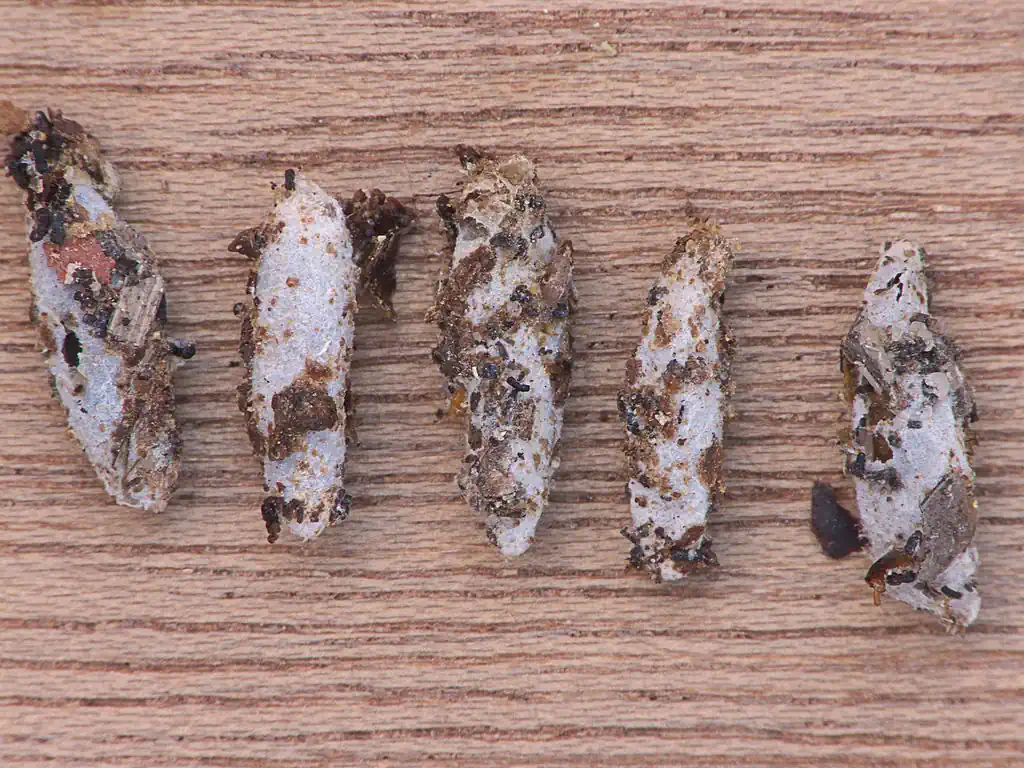
Key Takeaways Plaster bagworms are small moth larvae that build spindle-shaped cases on walls and ceilings, and they thrive in Florida’s warm, humid climate. These
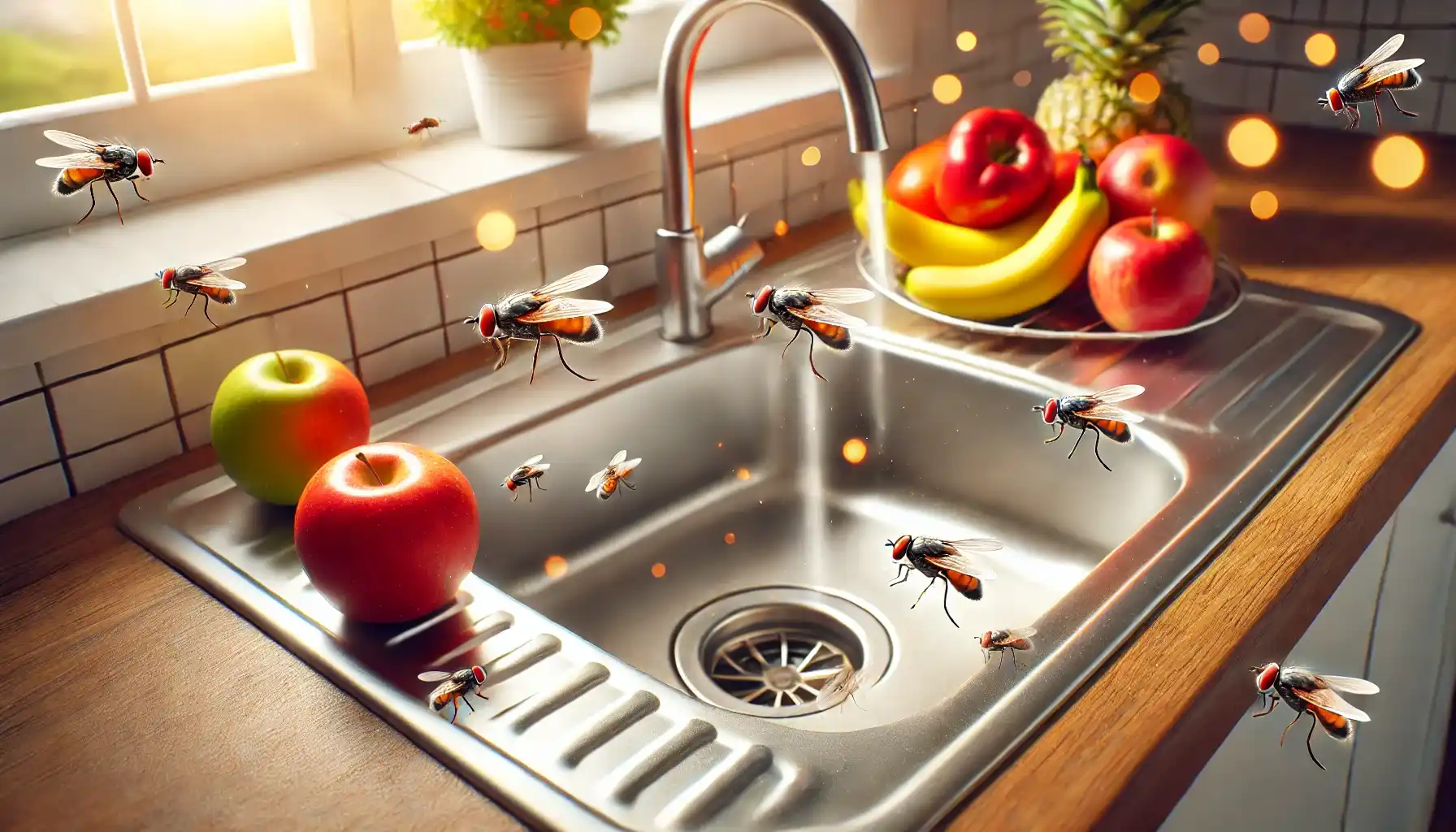
Key Takeaways Fruit flies are tan or brown with red eyes, while drain flies are fuzzy, moth-like insects with large wings. Fruit flies breed in
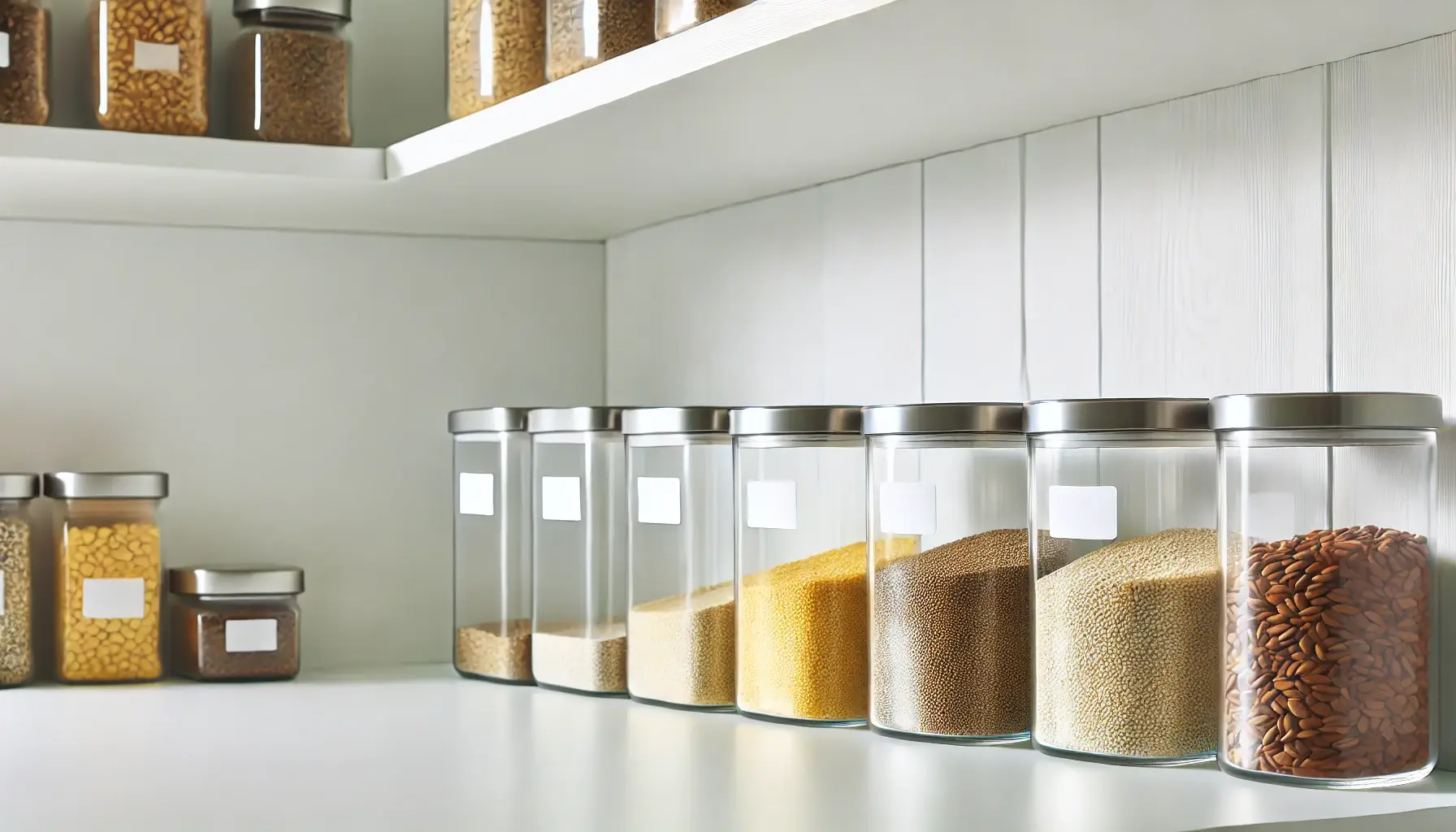
Key Takeaways Airtight containers made of glass, metal, or thick plastic are the most effective way to store food and prevent pantry pest infestations. Indian
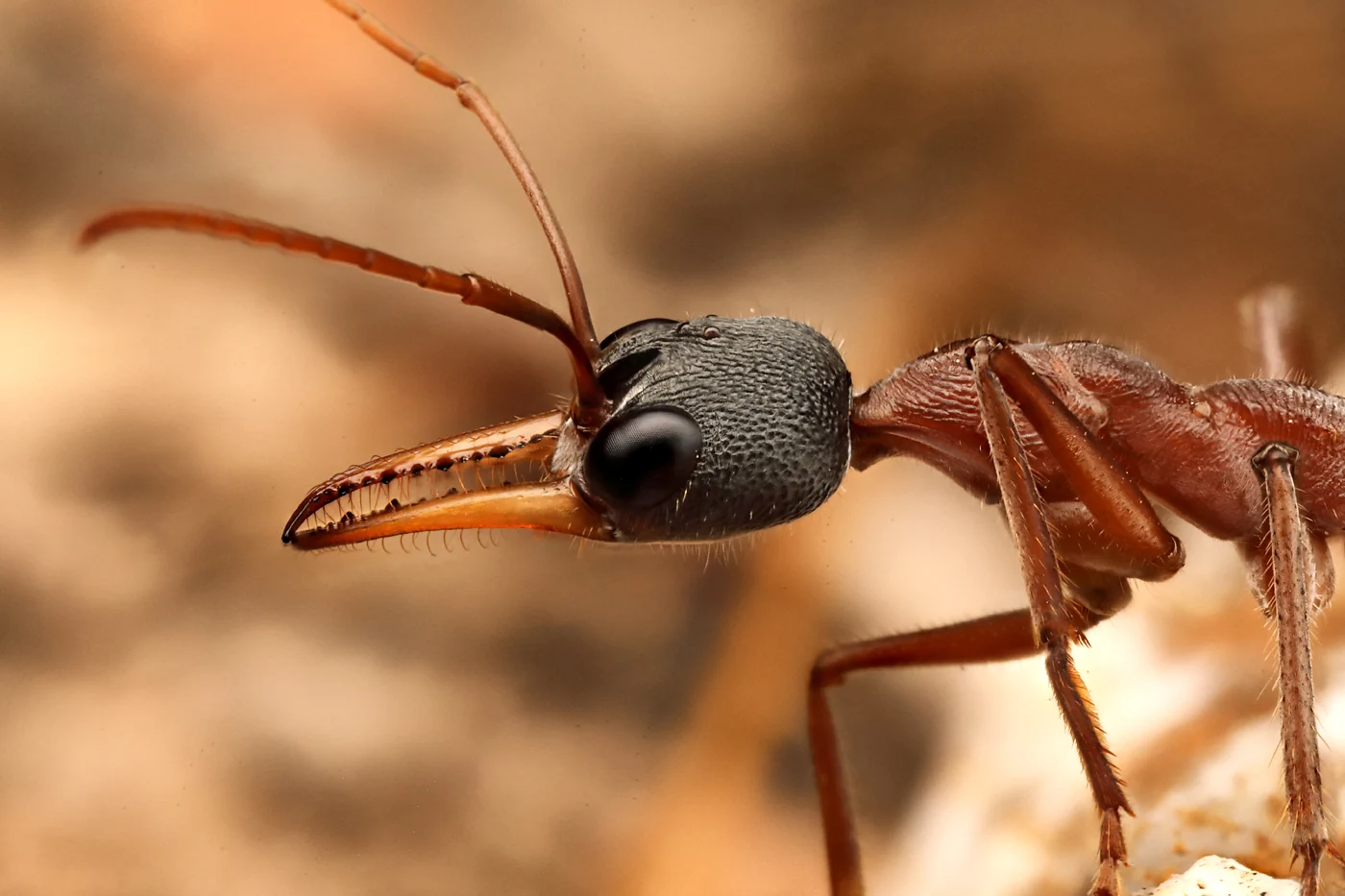
Key Takeaways Bull ants are not a single species native to Florida — the term often refers to large, aggressive ants like carpenter ants or
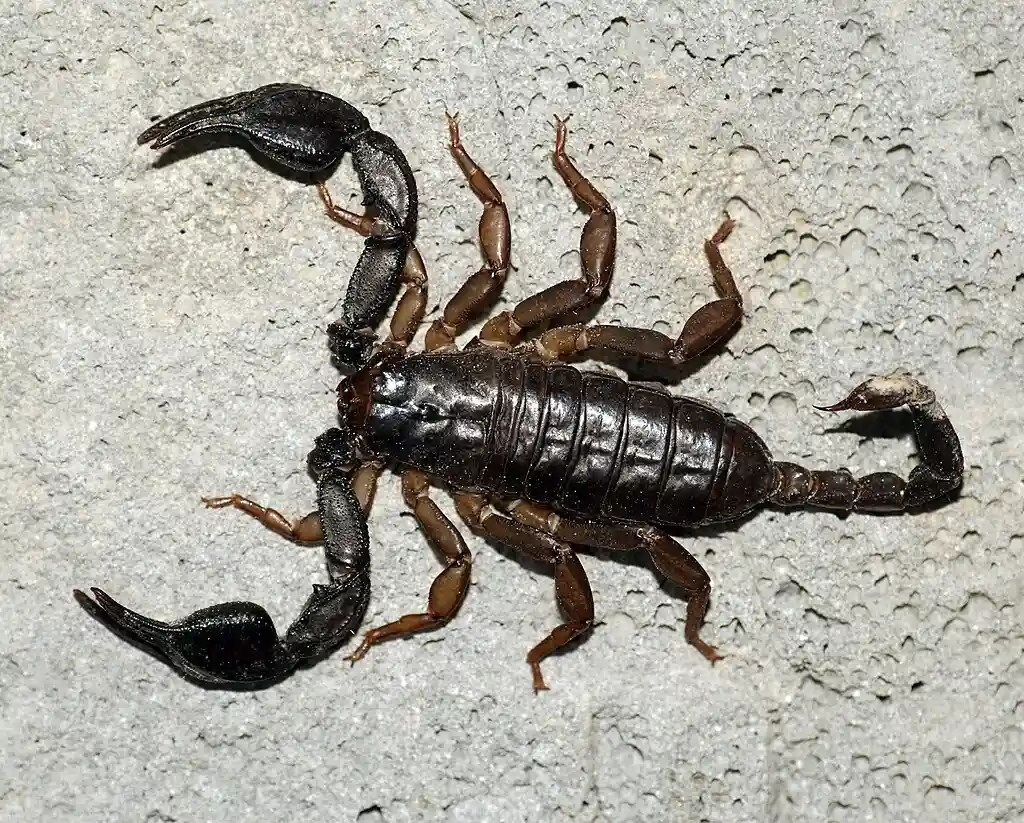
Key Takeaways Yes, there are scorpions in Florida — at least three native species live throughout the state. The most common species is the Florida
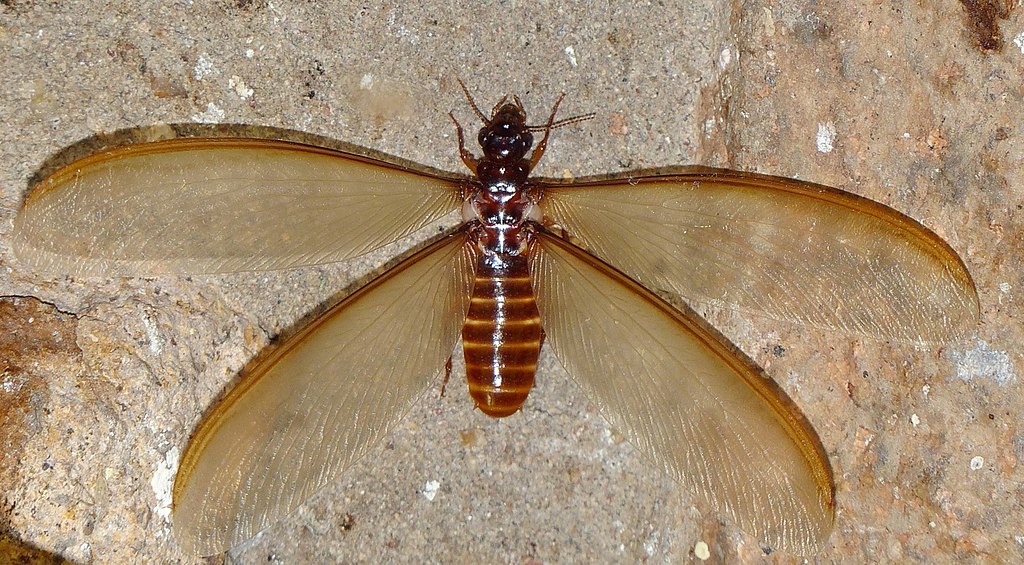
Key Takeaways Only reproductive termites called alates or swarmers can fly — workers and soldiers never develop wings. Flying termites swarm to start new colonies,
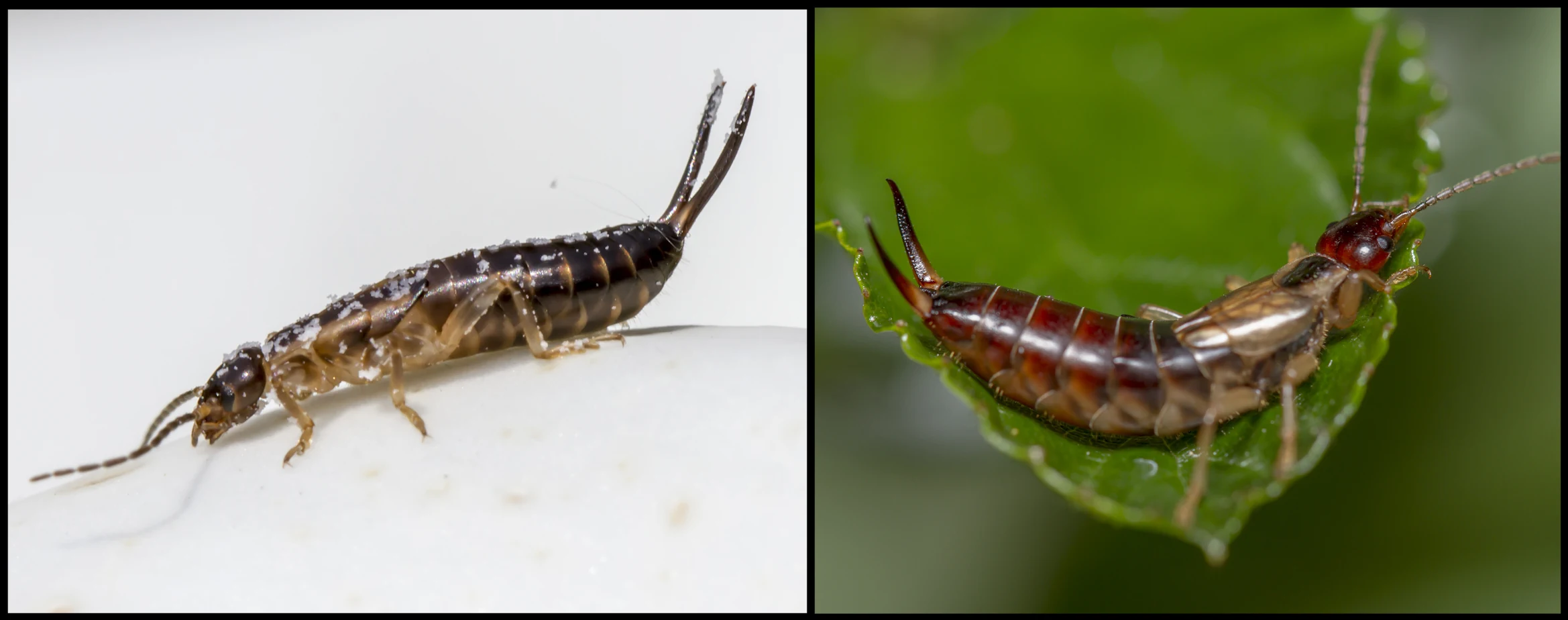
Key Takeaways Most earwig species have wings, but they rarely fly and prefer to crawl or hitchhike on objects to move around. Earwigs have a
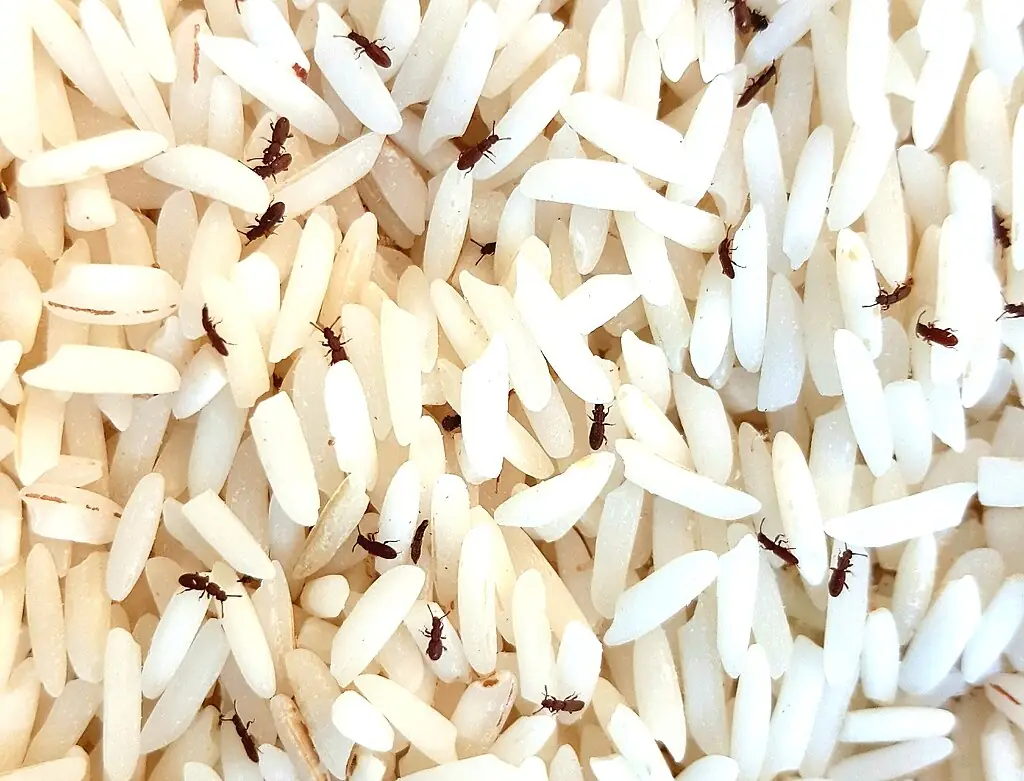
Key Takeaways Pantry pests like Indian meal moths, weevils, and beetles can infest sealed food packages and multiply rapidly in warm kitchens. Proper food storage
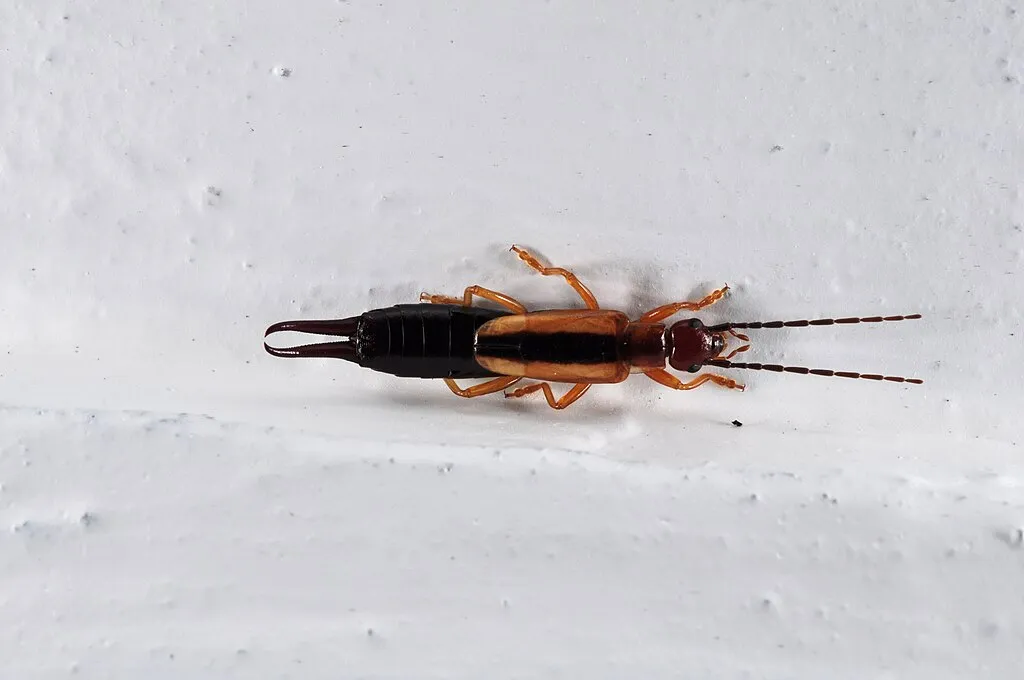
Key Takeaways Earwigs thrive in dark, damp environments, so reducing moisture around your home is the most effective prevention strategy. DIY traps using oil and

Key Takeaways Flea larvae are tiny, translucent white worms about 2-5mm long that avoid light and burrow deep into carpet fibers and bedding. Larvae make

Key Takeaways Flea dirt — tiny dark specks that turn reddish-brown when wet — is often the earliest visible sign of fleas in your home.
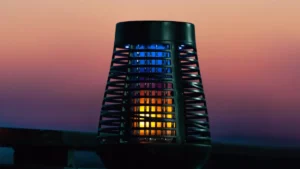
Discover the effectiveness of chemical insecticides and explore natural alternatives for insect control. Choose the right product with our comprehensive comparison.
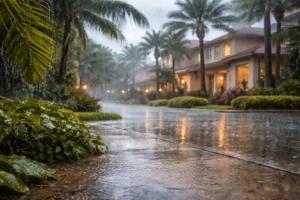
A heavy summer downpour in Naples can do more than flood your driveway — it can drive an unwanted wave of pests straight into your
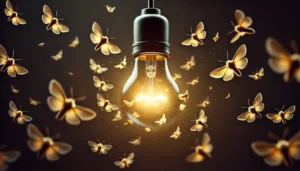
Key Takeaways South Florida’s warm, humid climate makes it a hotspot for nocturnal insects including cockroaches, moths, mosquitoes, and palmetto bugs. Many nighttime pests are
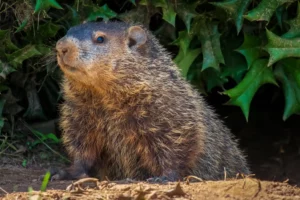
Key Takeaways Fresh fruits and vegetables like cantaloupe, strawberries, and string beans are the most effective groundhog baits. Bait placement matters as much as bait

Key Takeaways DIY pest control works best for minor, isolated pest problems like a few ants on the kitchen counter — not for established infestations.