
Table of Contents
ToggleKey Takeaways
- Pembroke Pines’ hot, humid climate creates ideal year-round conditions for silverfish infestations.
- Reducing indoor humidity below 60% is the single most effective way to prevent silverfish.
- Sealing cracks, removing food sources, and decluttering storage areas eliminate what silverfish need to survive.
- Regular pest control inspections catch early silverfish activity before populations grow out of control.
- Professional treatment is recommended when DIY prevention methods fail to stop recurring sightings.
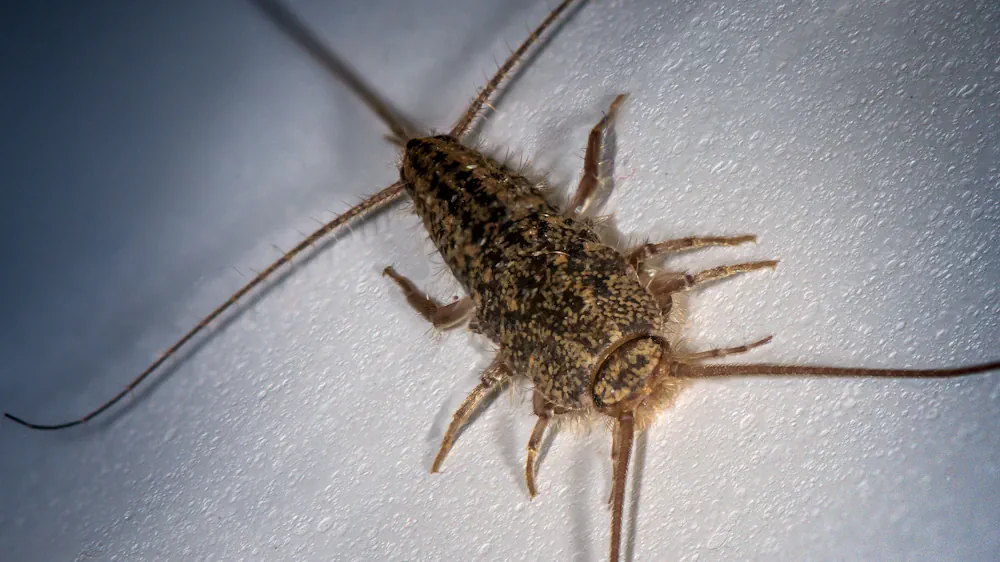
Preventing silverfish in Pembroke Pines starts with understanding why these pests love South Florida homes in the first place. The city’s subtropical climate — with average humidity levels well above 70% — gives silverfish exactly the warm, moist environment they need to thrive. These small, wingless insects may not bite or carry disease, but they can damage books, clothing, wallpaper, and stored documents over time. Worse, they’re nocturnal and elusive, meaning an infestation can grow silently for months before you notice it. In this guide, you’ll learn practical, Pembroke Pines–specific strategies to keep silverfish out of your home — from humidity control to professional pest management solutions that work in our local climate.
Why Silverfish Thrive in Pembroke Pines
Pembroke Pines sits in western Broward County, where the Everglades’ proximity adds extra moisture to an already humid subtropical environment. Silverfish require humidity levels above 75% and temperatures between 70°F and 80°F to reproduce efficiently. Pembroke Pines delivers both of those conditions for most of the year.
During the wet season — roughly May through October — daily afternoon thunderstorms push indoor moisture even higher. Homes in neighborhoods like Chapel Trail, Silver Lakes, and Pembroke Falls often have lush landscaping and retention ponds nearby, which further elevate ambient humidity around foundations and exterior walls.
Even during the drier winter months, Pembroke Pines rarely drops below the temperature range silverfish prefer. That means these pests don’t go dormant here the way they might in northern states. Prevention needs to be a year-round effort.
Common Silverfish Species in South Florida
The most common species found in Pembroke Pines homes are the common silverfish (Lepisma saccharina) and the firebrat (Thermobia domestica). Both species are attracted to starchy materials and damp spaces. Understanding where silverfish come from helps you target the right areas of your home for prevention.
How to Prevent Silverfish by Controlling Humidity
Humidity control is the foundation of silverfish prevention in Pembroke Pines. Without moisture, these pests simply cannot survive or reproduce indoors. Here are specific steps to bring indoor humidity under control:
- Run your AC consistently. Air conditioning is a natural dehumidifier. Set your thermostat to maintain indoor temperatures around 72°F–76°F, which keeps humidity levels manageable.
- Use standalone dehumidifiers. Place them in bathrooms, laundry rooms, garages, and closets — areas where moisture collects fastest.
- Fix plumbing leaks immediately. Even a slow drip under a bathroom sink can create the damp microenvironment silverfish love.
- Ventilate attics and crawl spaces. Many Pembroke Pines homes have poorly ventilated attic spaces that trap heat and moisture. Adding soffit vents or attic fans makes a significant difference.
- Use exhaust fans. Run bathroom and kitchen exhaust fans during and for 15 minutes after showering or cooking.
Your goal is to keep indoor relative humidity below 60%. A simple hygrometer from a hardware store can help you monitor levels in problem areas.
Seal Entry Points Around Your Pembroke Pines Home
Silverfish are incredibly thin and flexible. They can squeeze through gaps as narrow as 1/16 of an inch. In Pembroke Pines, where many homes were built between the 1980s and early 2000s, settling and weathering can create plenty of entry points over time.
Focus your sealing efforts on these areas:
- Exterior foundation cracks. Walk the perimeter of your home and fill any visible cracks or gaps with silicone caulk.
- Gaps around utility pipes. Plumbing and electrical penetrations through walls are common silverfish highways.
- Door sweeps and weatherstripping. Inspect all exterior doors, especially sliding glass doors leading to patios or lanais — a common feature in Pembroke Pines homes.
- Window frames. Older single-pane windows or damaged seals around impact windows can allow pest entry.
- Attic access panels. Ensure your attic hatch or pull-down stairs has a tight seal.
Sealing these entry points doesn’t just prevent silverfish. It also helps block ants, roaches, and other pests common in Broward County.
Remove Silverfish Food Sources From Your Home
Silverfish eat starchy, protein-rich, and sugary materials. In a typical Pembroke Pines home, that means they have a buffet waiting for them. Knowing what silverfish eat helps you target what to protect or remove.
Take these steps to limit their food supply:
- Store paper goods properly. Keep important documents, photo albums, and books in sealed plastic bins rather than cardboard boxes.
- Clean up food debris. Sweep up crumbs, wipe down counters, and store pantry items in airtight containers.
- Remove old cardboard. Garages and closets in Pembroke Pines homes often accumulate cardboard from deliveries. Silverfish feed on the glue and cellulose in cardboard.
- Wash clothing before long-term storage. Silverfish are attracted to starched fabrics and residual body oils on clothing.
- Address wallpaper paste. Older homes with wallpaper may attract silverfish to the adhesive behind the paper.
Declutter and Organize Storage Areas to Prevent Silverfish
Clutter gives silverfish the dark, undisturbed hiding spots they need to establish a colony. Pembroke Pines homes with packed garages, overflowing closets, or neglected storage rooms are prime targets.
Here’s how to reduce harborage areas:
- Clear items stored directly on the floor. Use shelving units to elevate boxes and bins at least a few inches off the ground.
- Switch from cardboard to plastic storage containers with snap-tight lids.
- Regularly rotate and inspect items in guest bedrooms, linen closets, and garage cabinets.
- Remove stacks of newspapers, magazines, and junk mail promptly.
Decluttering also makes it easier to spot silverfish activity early. If you can see your baseboards and floor edges clearly, you’ll notice silverfish droppings — tiny black pellets that resemble ground pepper — before a full infestation develops.
DIY Prevention Methods vs. Professional Silverfish Control
The DIY steps above work well as a first line of defense. However, Pembroke Pines’ climate works against homeowners who rely solely on prevention. Even a well-maintained home can develop silverfish issues after heavy rains, tropical storms, or extended periods of high humidity.
When DIY Methods Are Enough
If you’ve seen only one or two silverfish and they appeared in a predictably damp area like a bathroom or laundry room, DIY prevention may be sufficient. Focus on the humidity, sealing, and food source strategies outlined above. Diatomaceous earth applied along baseboards in problem areas can also help as a natural deterrent.
When to Call a Professional
If you’re seeing silverfish regularly, finding them in multiple rooms, or noticing damage to stored items, it’s time to bring in a professional. A thorough treatment plan targets not only the visible insects but also eggs and nymphs hidden in wall voids, under baseboards, and inside insulation. For a comprehensive approach, learn how to get rid of silverfish once and for all with proven elimination strategies.
On Demand Pest Control provides pest control services in Pembroke Pines that include targeted silverfish treatments and ongoing prevention plans designed for South Florida’s unique climate. Our technicians inspect moisture-prone areas, apply residual treatments where silverfish harbor, and recommend structural improvements to keep them from returning.
Seasonal Silverfish Prevention Calendar for Pembroke Pines
| Season | Key Risk Factors | Prevention Priority |
|---|---|---|
| Spring (March–May) | Rising temperatures, early rains | Inspect and seal exterior gaps; check AC drainage lines |
| Summer (June–August) | Peak humidity, daily storms | Run dehumidifiers; monitor bathrooms and garages closely |
| Fall (September–November) | Hurricane season moisture, standing water | Dry out any water intrusion quickly; declutter storage |
| Winter (December–February) | Lower humidity but stable warmth | Schedule professional inspection; deep-clean storage areas |
Unlike colder regions where silverfish slow down in winter, Pembroke Pines homeowners need to stay vigilant all four seasons. Consistent effort throughout the year is what separates homes that stay silverfish-free from those that battle recurring infestations.
If you’re dealing with pest problems beyond silverfish, On Demand Pest Control also serves the broader region with comprehensive pest control across South Florida, covering everything from ants and roaches to rodents and termites.
Frequently Asked Questions
-
Are silverfish common in Pembroke Pines, Florida?
Yes. Pembroke Pines' subtropical climate provides the warmth and humidity silverfish need year-round. They are one of the most frequently encountered household pests in Broward County, especially in homes with poor ventilation or excess moisture.
-
What attracts silverfish to my Pembroke Pines home?
Silverfish are drawn to moisture, darkness, and starchy food sources. Leaky pipes, humid garages, cardboard storage boxes, and old books or papers are the biggest attractants. Pembroke Pines' naturally high humidity makes almost any home appealing to them.
-
Can silverfish cause damage to my belongings?
Yes. Silverfish feed on paper, fabric, wallpaper adhesive, and even certain synthetic materials. Over time, an unchecked infestation can damage important documents, clothing, books, and stored photos. The damage is usually slow but cumulative.
-
How do I know if I have a silverfish infestation?
Look for tiny black droppings that resemble ground pepper, yellowish stains on fabric or paper, and small irregular holes in stored items. Seeing multiple silverfish during the day — when they normally hide — suggests a larger population is present.
-
How often should I schedule pest control for silverfish in Pembroke Pines?
For active infestations, an initial treatment followed by monthly visits for two to three months is typical. For ongoing prevention, quarterly pest control service is recommended, especially during the wet season when silverfish activity peaks in South Florida.