
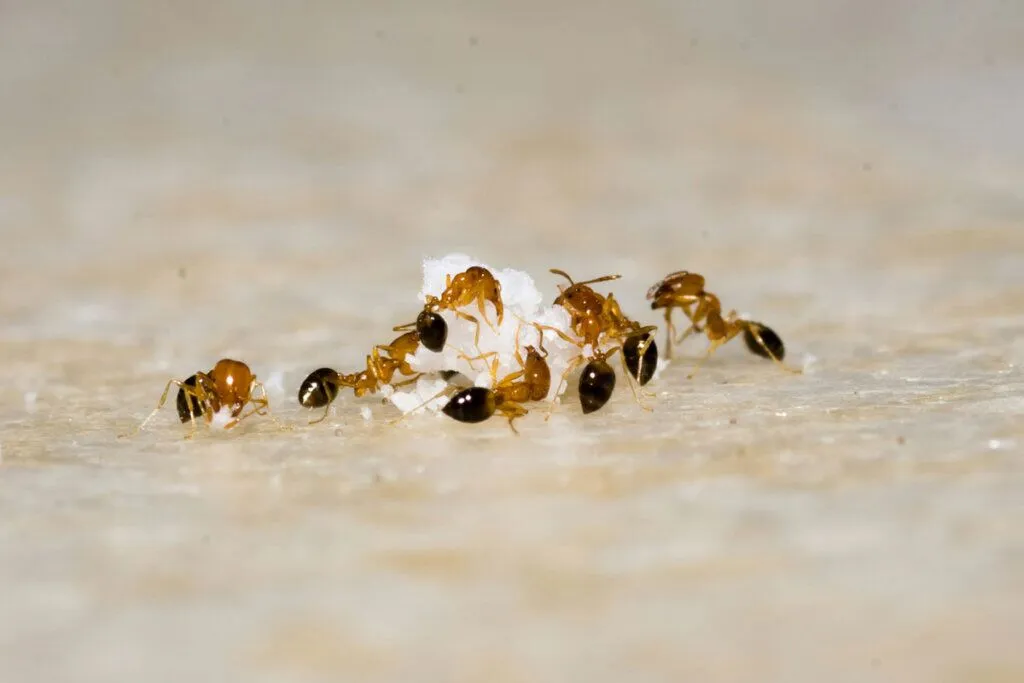
Sugar Ant Identification for Fort Lauderdale Homeowners
At a glance “Sugar ants” is a household nickname, not a single species. Identify the ants and the food, moisture and entry conditions attracting them
At a glance “Sugar ants” is a household nickname, not a single species. Identify the ants and the food, moisture and entry conditions attracting them
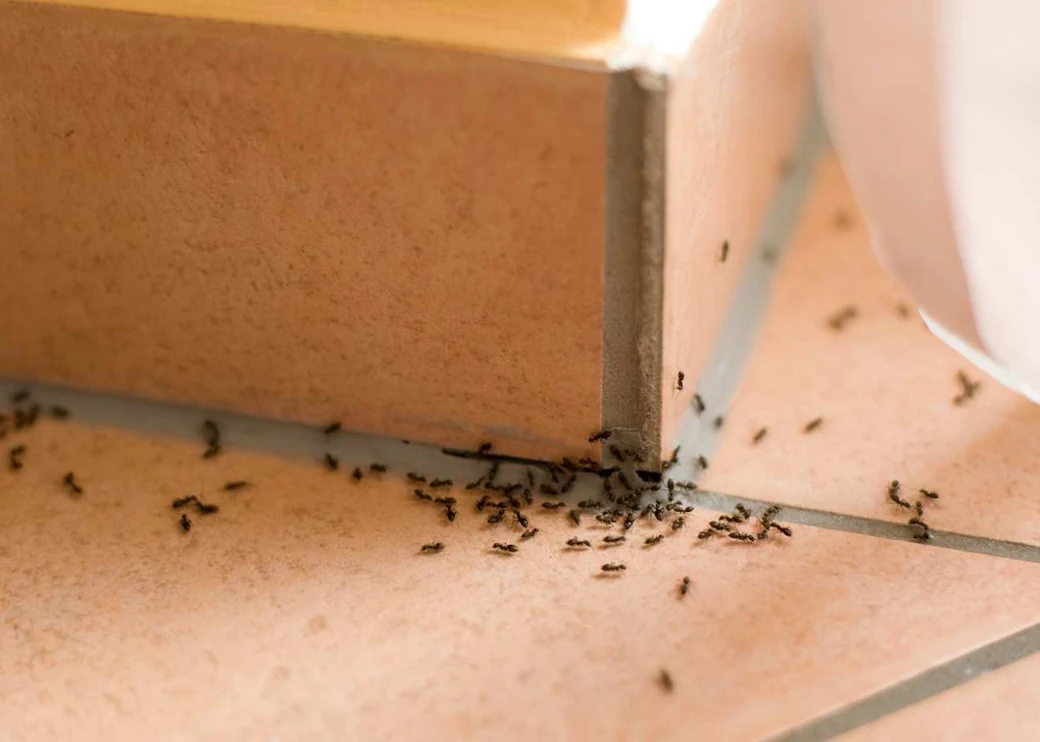
At a glance An ant trail shows a repeated foraging route, not necessarily the location or size of a nest. Document the route, remove accessible
At a glance Bathroom ants may be attracted to moisture, food residues or accessible gaps, but ants near a drain do not prove a drain
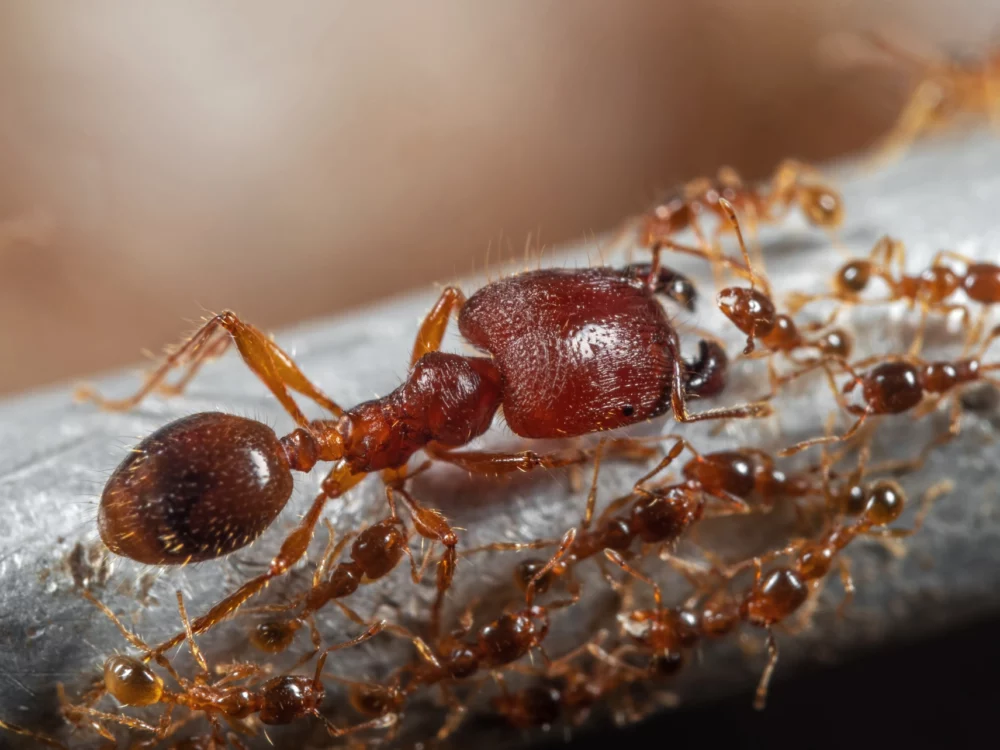
At a glance Bigheaded ants are supported by accessible food, moisture and sheltered nesting sites. Look for persistent attractants around the home, and pair environmental
At a glance Confirm the ant species and look for activity around outdoor nest sites. Address food, moisture and shelter sources; visible indoor workers can
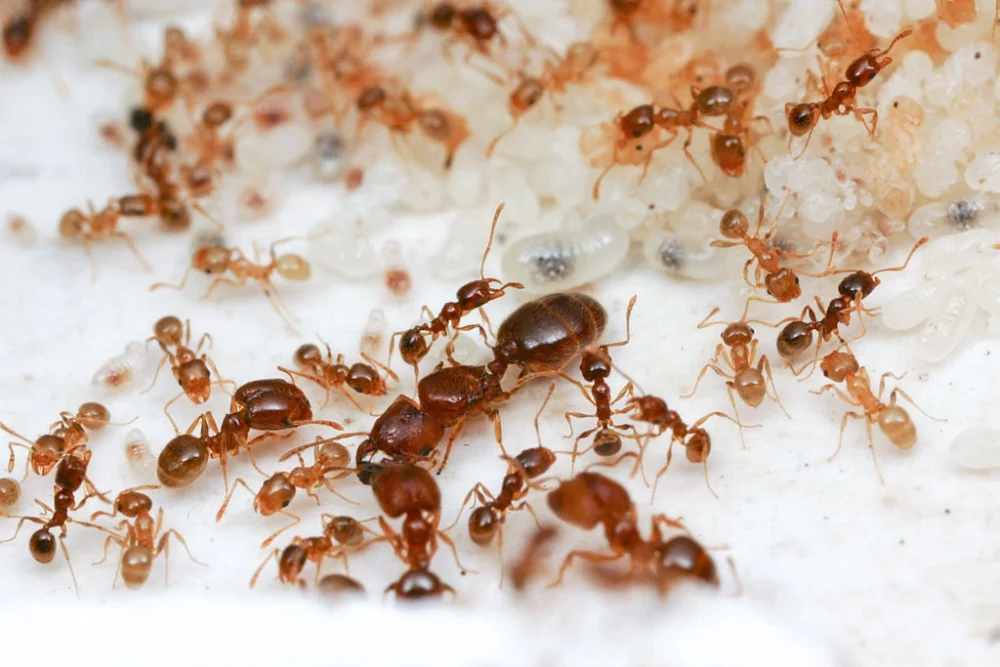
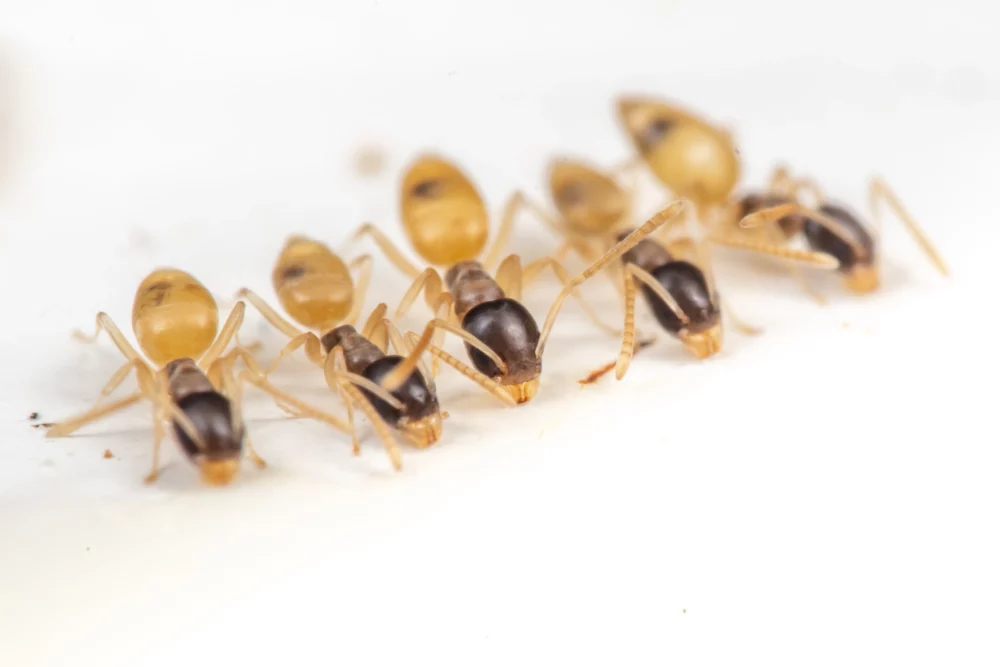
At a glance Bigheaded ants include conspicuously large-headed major workers; ghost-ant workers have a dark head with pale abdomen and legs. Appearance, nesting patterns and
At a glance Bigheaded ants do not eat wood or sting, but persistent foraging can become a household nuisance. Confirm the species before linking an
At a glance Bigheaded ants can nest in soil and protected spaces around a property, while indoor workers may be foraging from elsewhere. Follow observed
At a glance Major workers with unusually large heads are an important bigheaded-ant clue, but color and size alone cannot confirm the species. Clear close-up
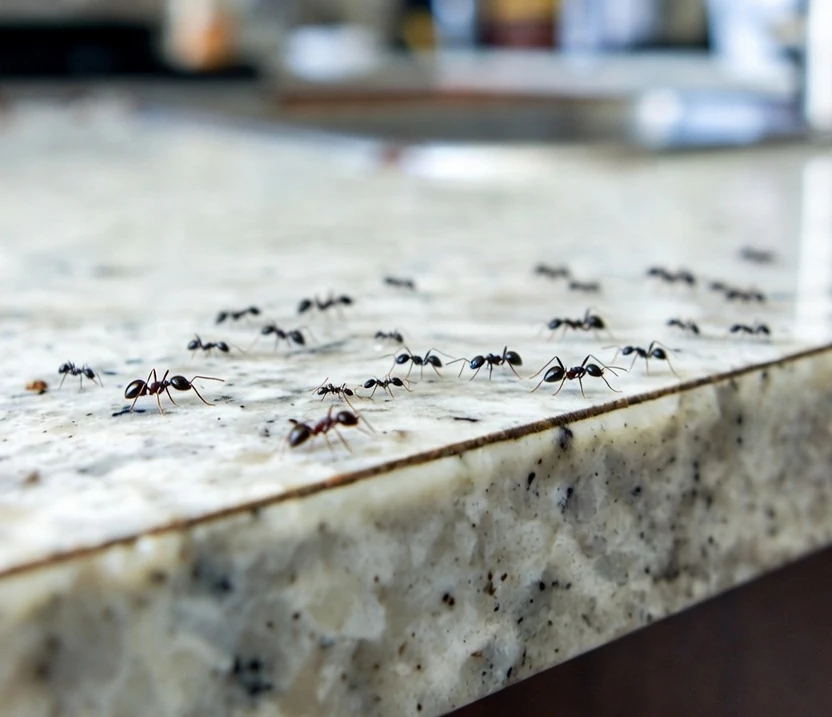
At a glance Identify the ant and trace food, moisture, and nesting routes before choosing control. Baits can work; sprays near them can undermine feeding.
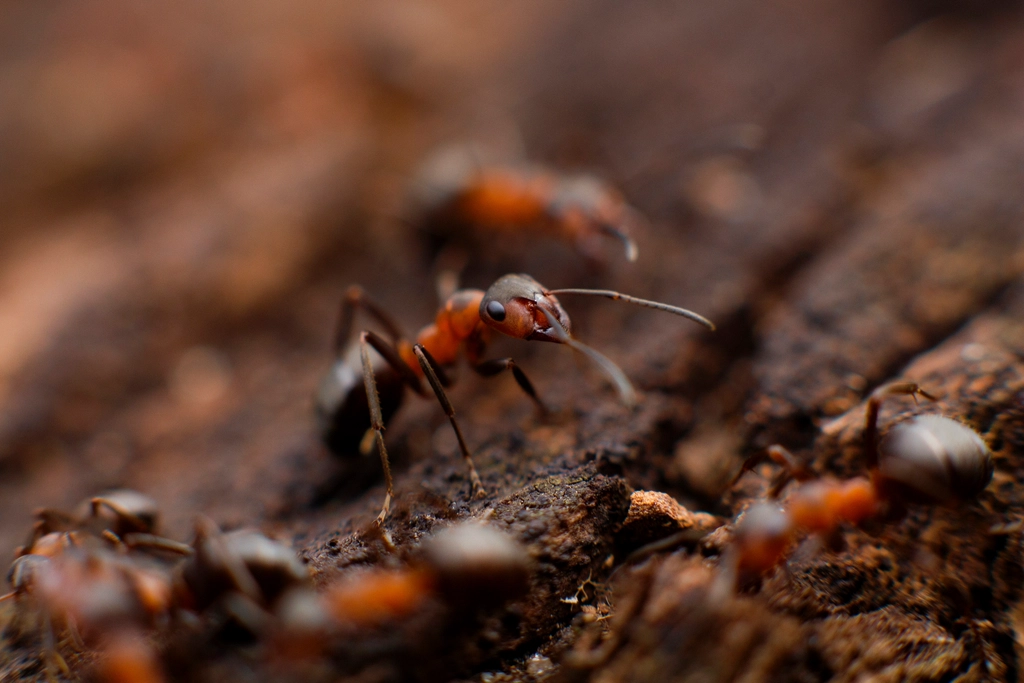
At a glance Baking soda is not an established colony-control treatment. Identification, sanitation and labeled bait are better-supported steps. The short answer about baking soda
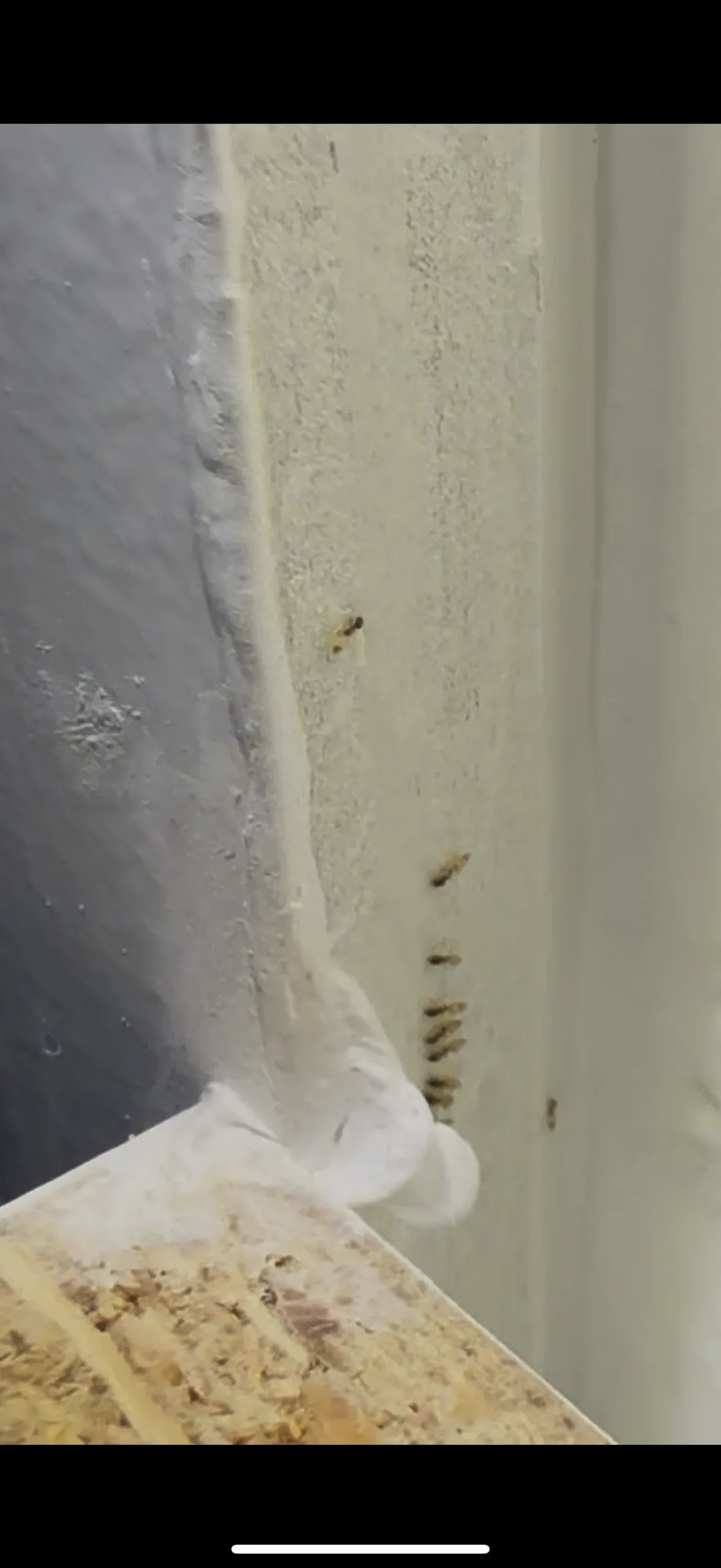
At a glance Fix leaks, follow actual ant trails and keep food and residues unavailable without risky drain-treatment shortcuts. Begin with the route, not the
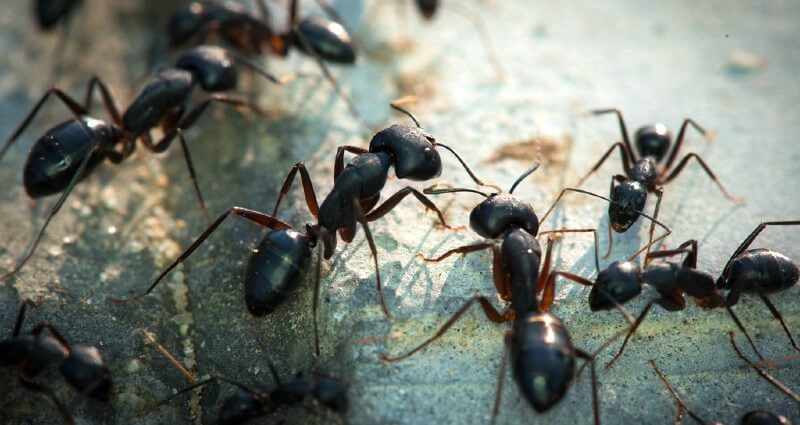
At a glance Florida carpenter ants commonly nest in existing voids or soft material; they do not eat wood. Identify the species and inspect moisture
At a glance Sugar ant is a common label, not a diagnosis. Follow trails, protect food and choose a response for the actual species. One:
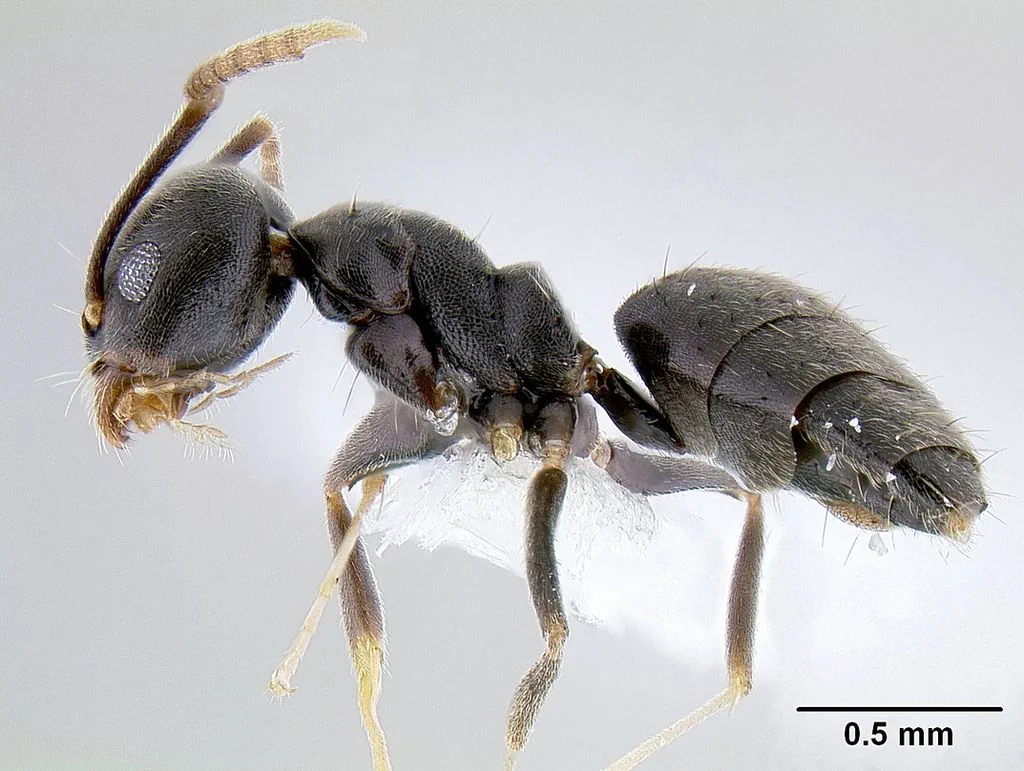
At a glance Confirm pale feet under magnification and address trails across connected nesting sites; food sharing differs from other ants. Identify the dark ants
At a glance Use the actual trail to guide identification and labeled bait placement while correcting leaks and entry points. Confirm the ghost-ant pattern Ghost
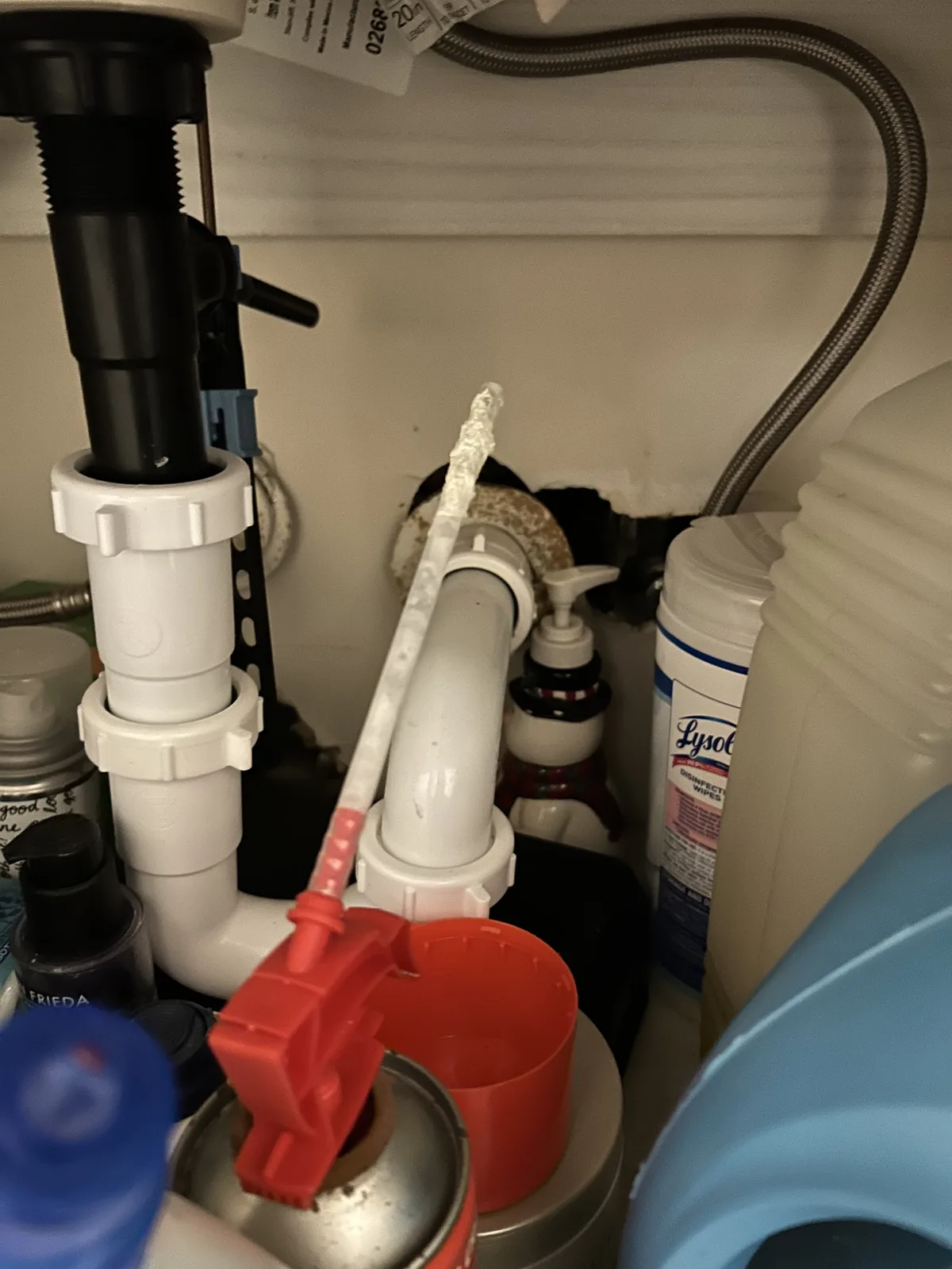
At a glance Tiny dark ants can be hard to identify on sight. Trace their route, correct accessible water and entry conditions and choose bait
At a glance Bathroom ants need identification, moisture correction and a species-specific response. A trail near a drain does not prove the colony lives inside
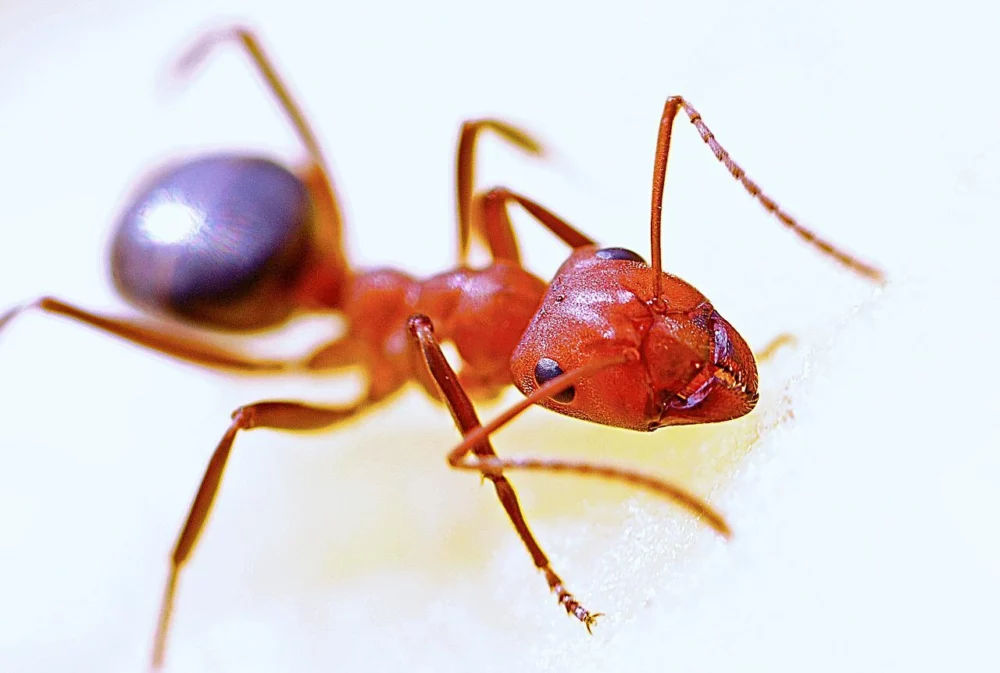
At a glance Confirm fire-ant activity, compare bait and targeted treatments, and avoid risky household remedies or promised results. Identify fire ant activity and protect
At a glance Identify ghost ants, remove food and moisture, and use species-appropriate labeled bait with ongoing monitoring. Method one: verify the tiny two-tone ants
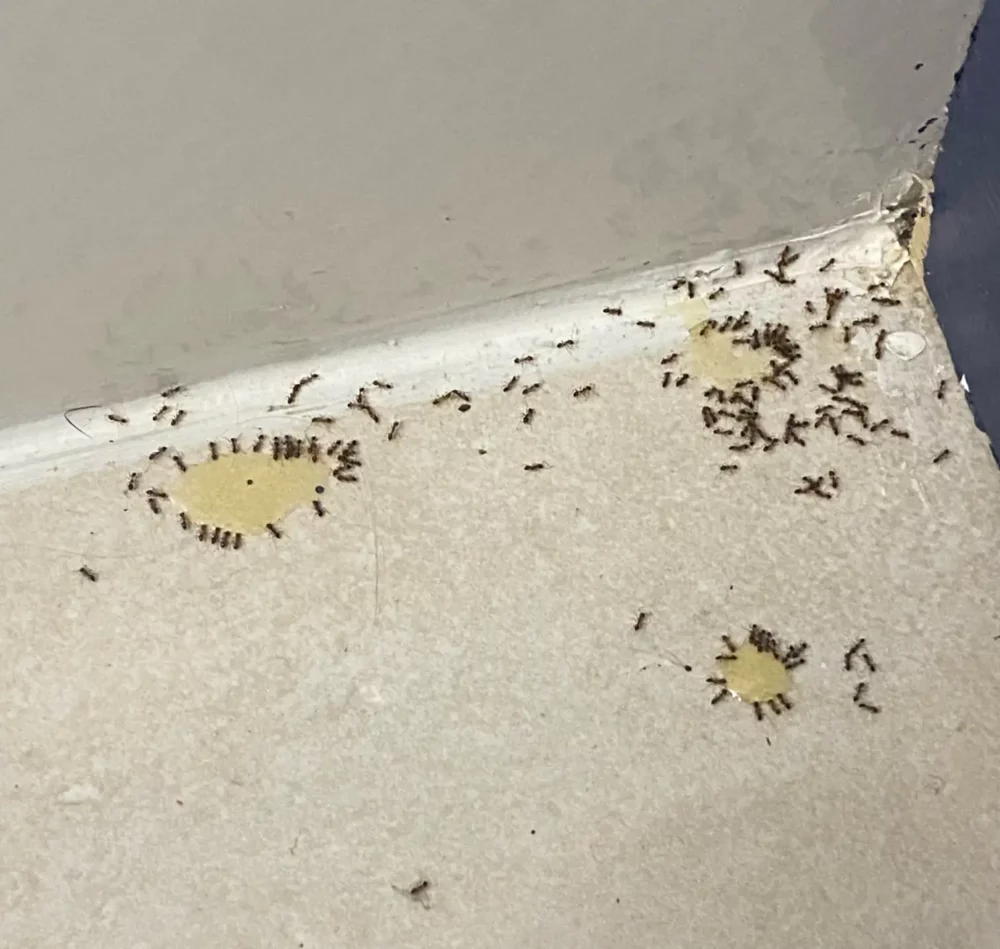
At a glance Ants enter for food, moisture, and shelter. Cleaning and exclusion reduce access, while species-appropriate baiting may be needed for an established infestation.
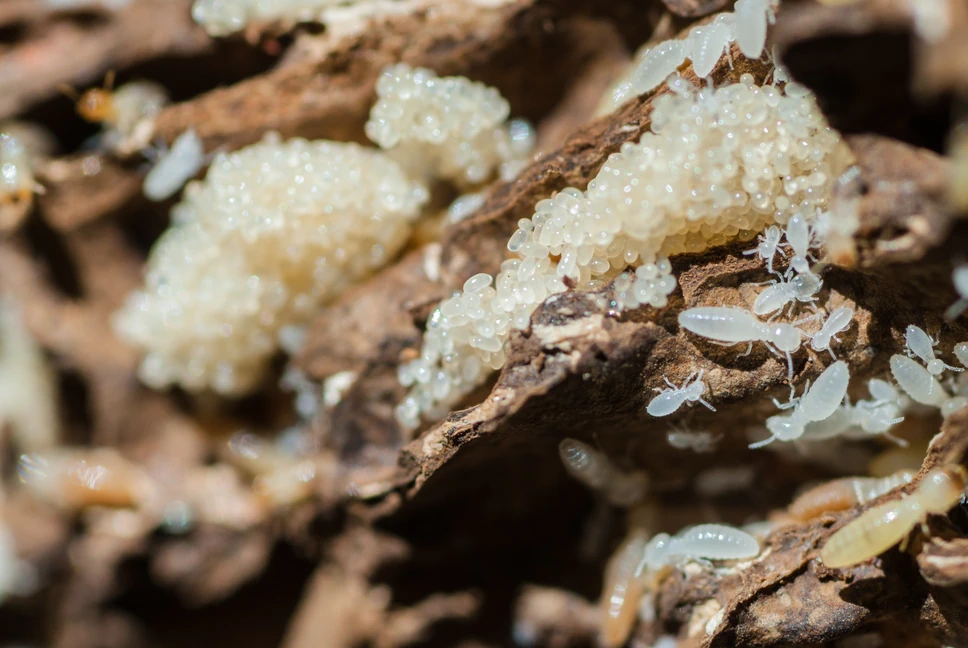
At a glance “White ants” is an informal name often used for termites, not a reliable identification. Termites are not ants; pale insects need examination
At a glance The best nonchemical ant steps remove food, water, and access. Vinegar, spices, essential oils, and baking soda are not dependable colony-elimination methods.
At a glance Fire ants can sting repeatedly, and severe allergic reactions need emergency care. Identify mounds without disturbing them and use a label-directed treatment
At a glance Ghost ants can forage into a vehicle from a parking area or arrive with infested items. A sticky cup holder, snack crumbs
At a glance ‘Sugar ants’ is a household nickname for several small ants attracted to sweets, not a single species. A tiny ant in a
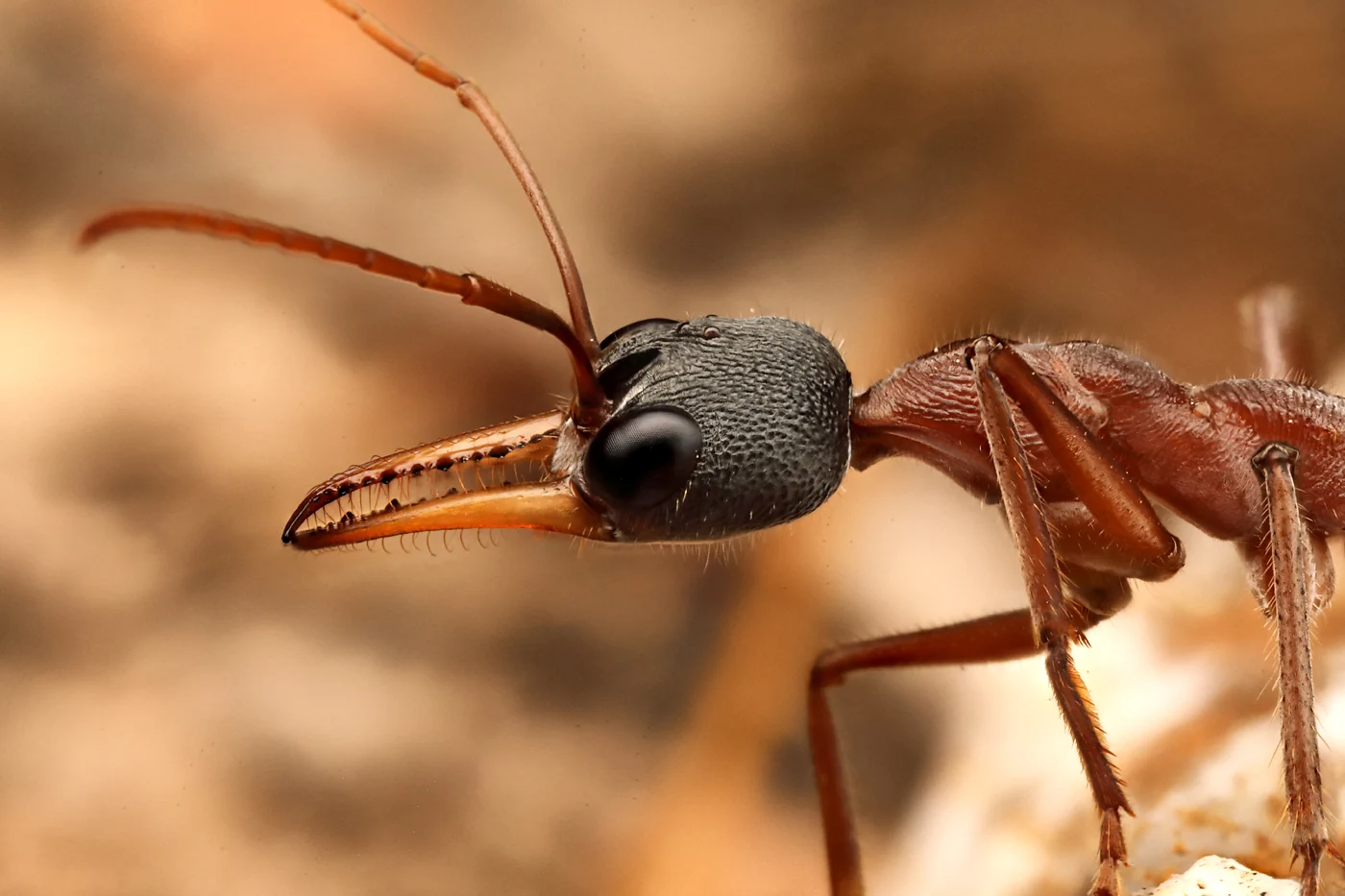
At a glance In Florida, bull ant can refer to carpenter ants rather than Australian Myrmecia. Identify the specimen before assuming it stings or selecting
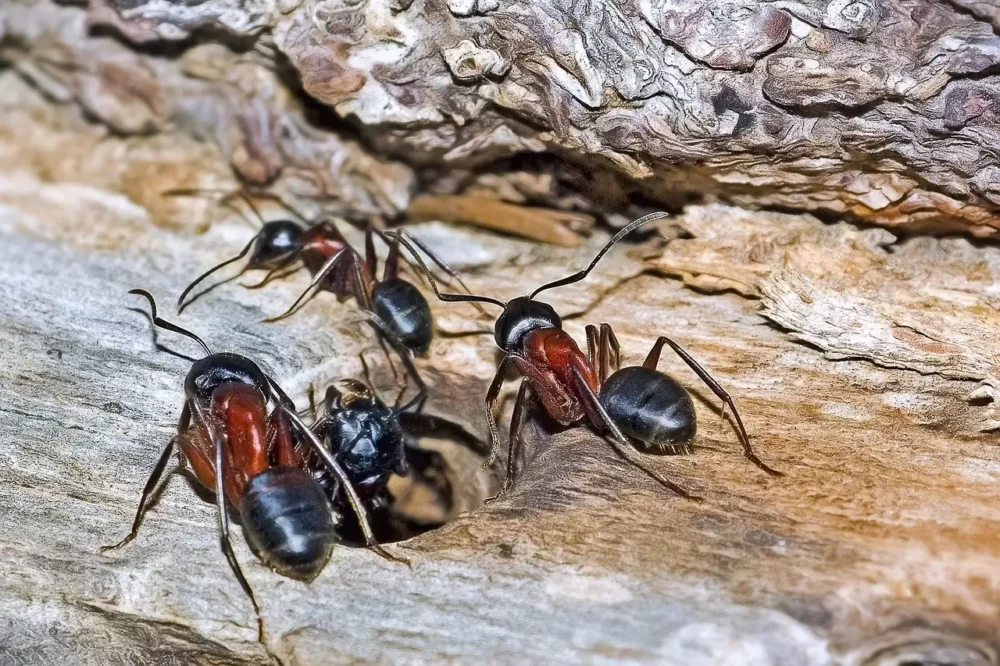
At a glance Confirm carpenter ants, inspect actual nesting evidence and keep bite or damage questions separate from a sighting. Management depends on the identified
At a glance Inspect carpenter-ant activity, accessible nesting evidence, moisture and access. Ask for species-specific management and monitor outcomes rather than a quick-control guarantee. Key
At a glance Household cinnamon is not established here as reliable ant-colony control. Identify the ants and inspect food, access and nesting evidence before choosing
At a glance Ant color does not identify a species or establish colony membership. Interpret observations cautiously and choose management for the actual ants and
At a glance Queens support reproduction but do not command every task; species-specific control and monitoring matter. Key Takeaways Queens are reproductive females; colony queen
At a glance Ant roles and reproductive networks vary; identify the species and use monitored, appropriate colony management. Key Takeaways Ant colonies have reproductive and
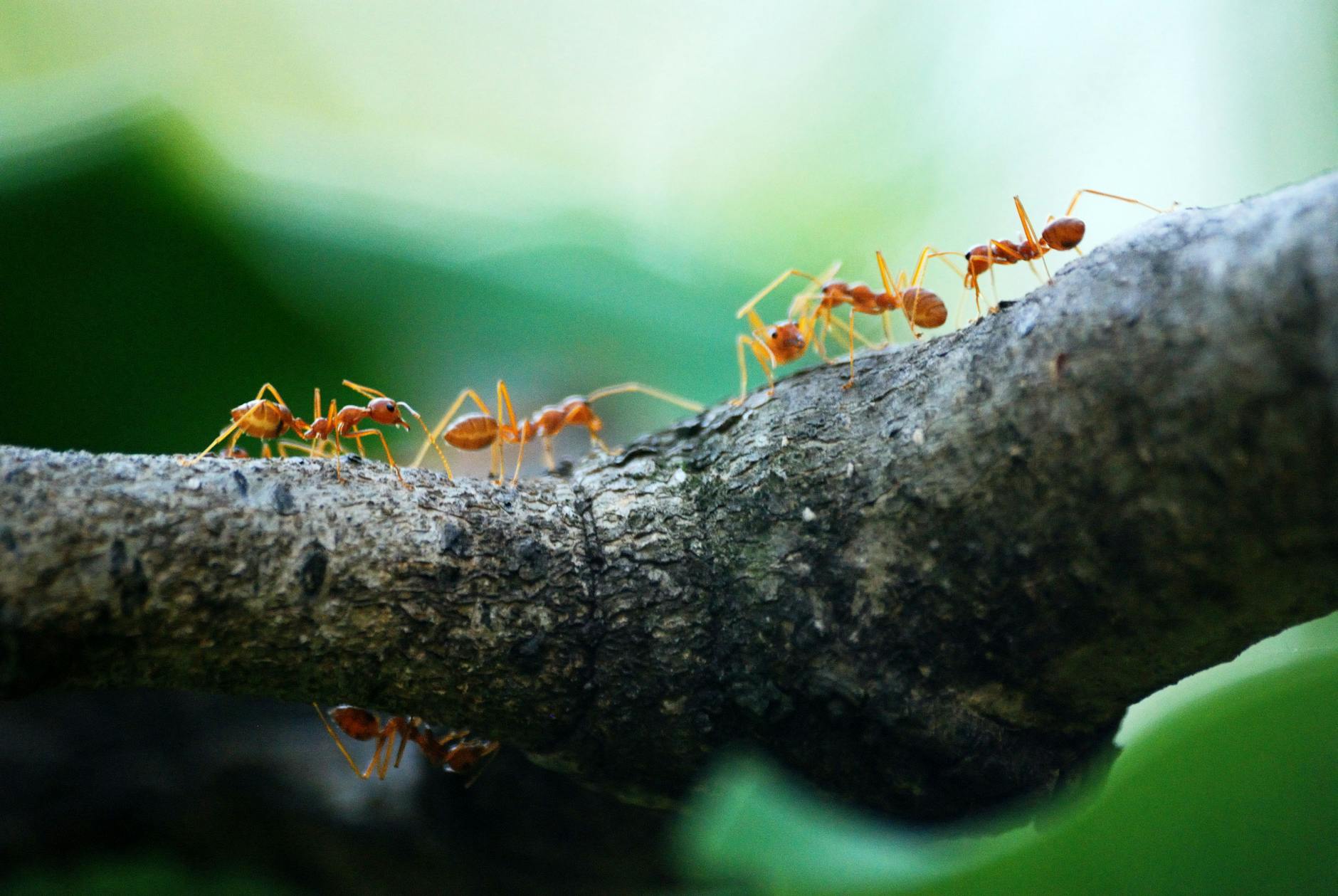
Browse article topics At a glance Why Ant Species Matter in South Florida Ecosystems Native Ant Species That Benefit South Florida Florida Harvester Ants Florida
Browse article topics At a glance What Are Sugar Ants? How Long Do Sugar Ant Worker Ants Live? How Long Does a Sugar Ant Queen
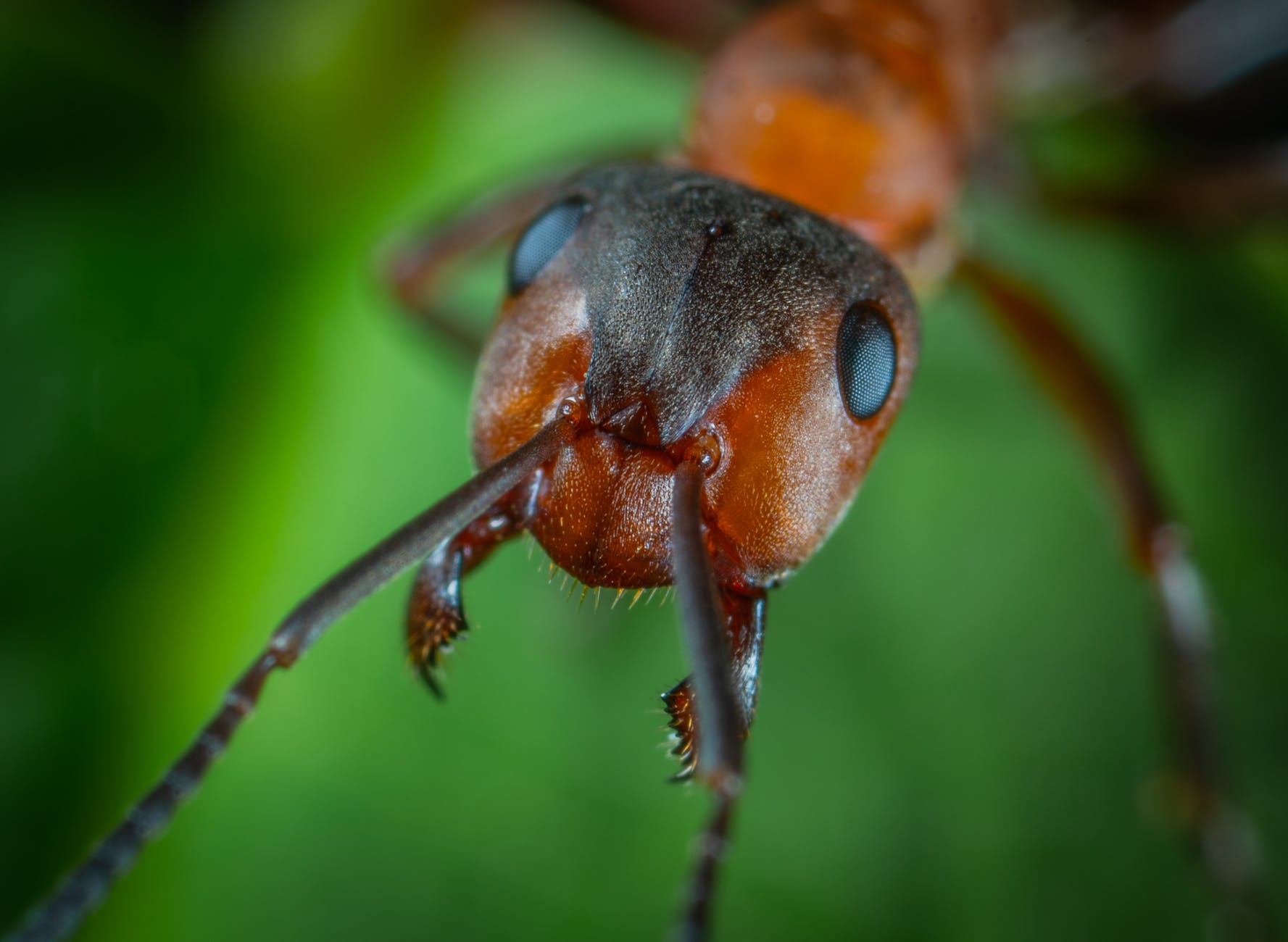
Key Takeaways Broward County’s warm, humid climate supports year-round ant activity from species like ghost ants, fire ants, and carpenter ants. Professional exterminators use targeted
Distinguish small household ants, inspect food and moisture sources, and choose a species-appropriate plan instead of repeatedly spraying trails.
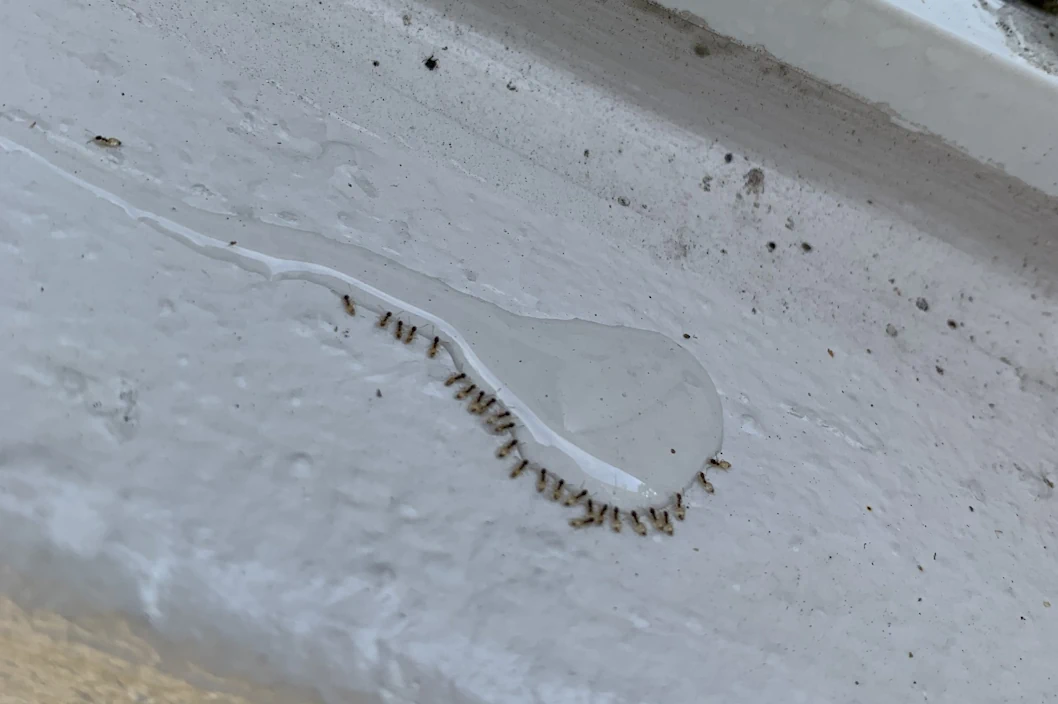
Ant bait can reach nestmates that never visit your counter. Success depends on identifying the ant, choosing a bait workers accept, placing it where the label permits, and monitoring what happens. A quiet trail does not prove that every queen or connected nest has been eliminated.
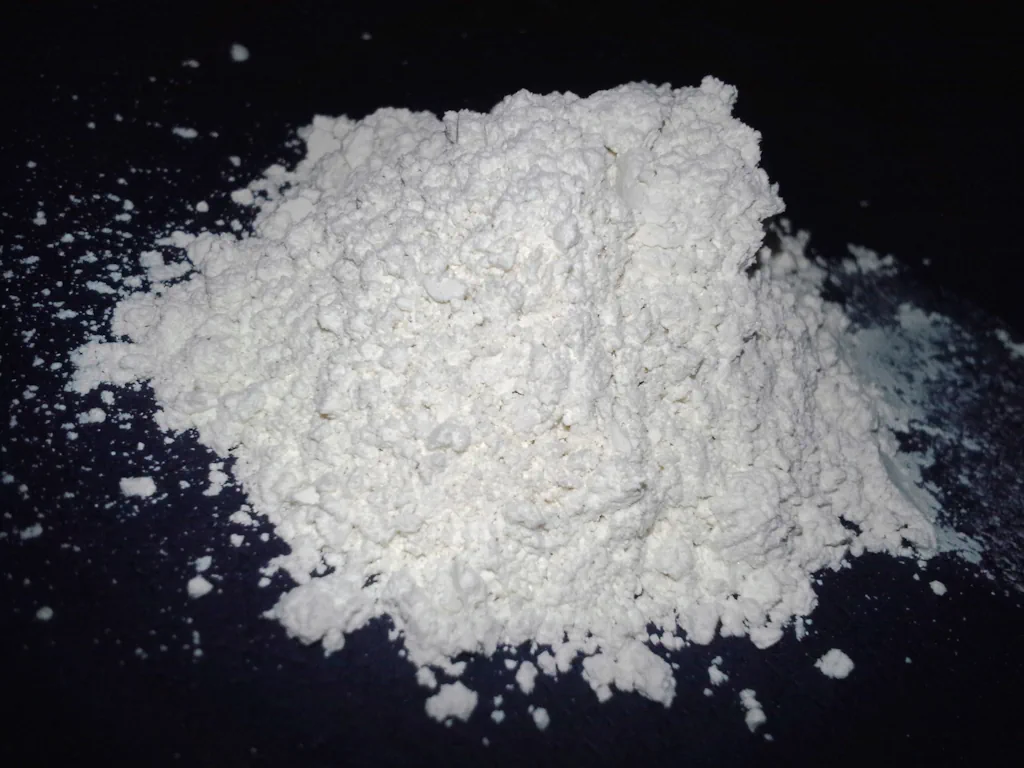
Diatomaceous earth can kill ants that contact an appropriate dry deposit, but contact with workers is different from controlling a hidden colony. Use only a pesticide product labeled for the pest and application site, and decide whether baiting and source correction are better suited to the problem.
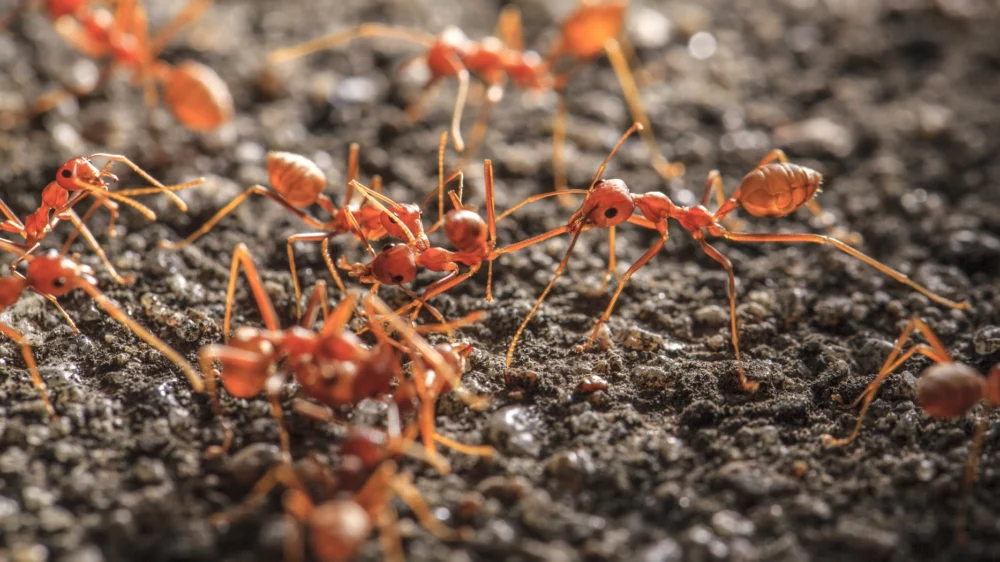
Key Points Ants run in circles because they’re following pheromone trails that accidentally turn into loops. This looping phenomenon is often called an ant death
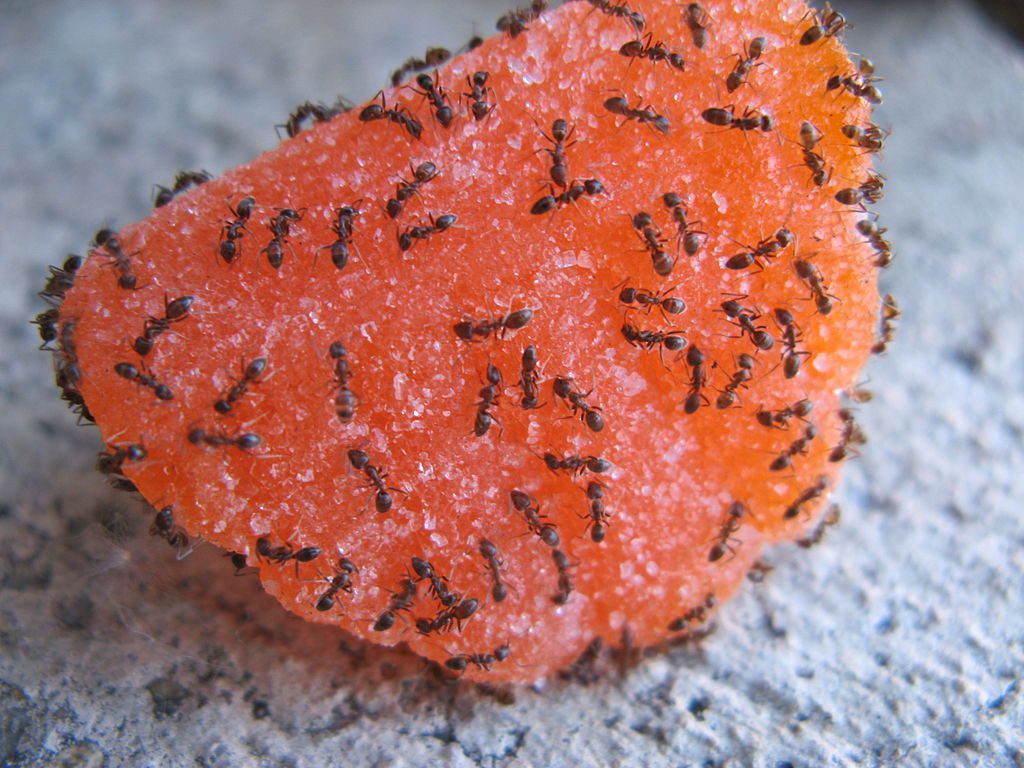
Several ant species feed on sweet foods. That feeding behavior does not identify the species or establish whether an ant can bite or sting. Many small household ants are primarily a nuisance, but painful stings, an unusual reaction, or uncertain identification call for a different response.
To get rid of ants in the kitchen, first find the food, water, and route supporting the trail. Then identify the ants and choose any pesticide by its label and their observed feeding. Cleaning removes the reward; suitable bait can reach hidden nestmates when workers accept it.
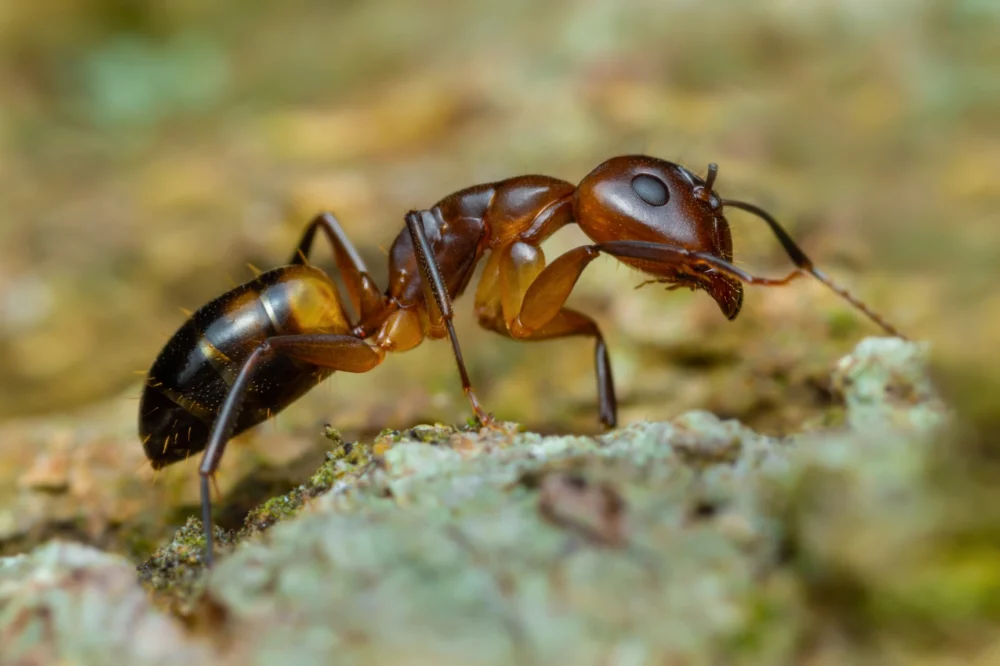
Identify the ants, trace their routes and repair moisture problems. Colony-directed baiting may help; a bathroom sighting does not prove that the nest is in the drain or that wood is damaged.
Identify the ants behind a sugar-ant trail, reduce food and moisture, and select a labeled colony-focused plan with monitored follow-up.
Fire ants nest in soil and may use hidden spaces near buildings. Learn how mound visibility, weather, colony structure, and identification guide a safer inspection.
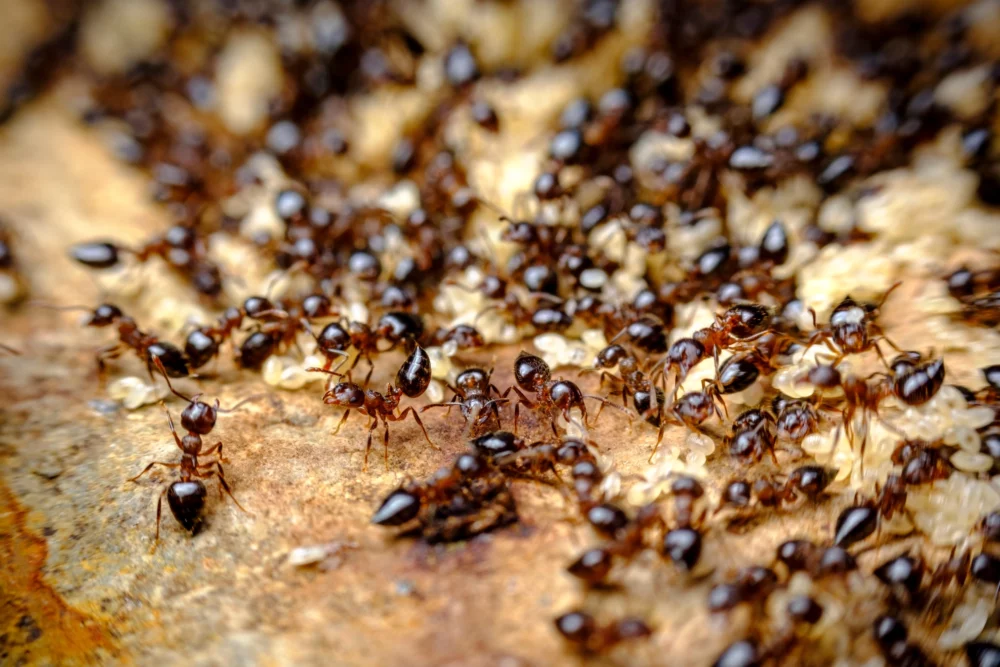
At a glance Compare Florida household ants, inspect food and moisture sources, and choose a species-specific management plan for recurring activity in Naples. Key Points
At a glance Identify recurring ant activity, compare ghost, carpenter and fire ants, and learn what to ask before choosing a property-specific treatment plan. Signs
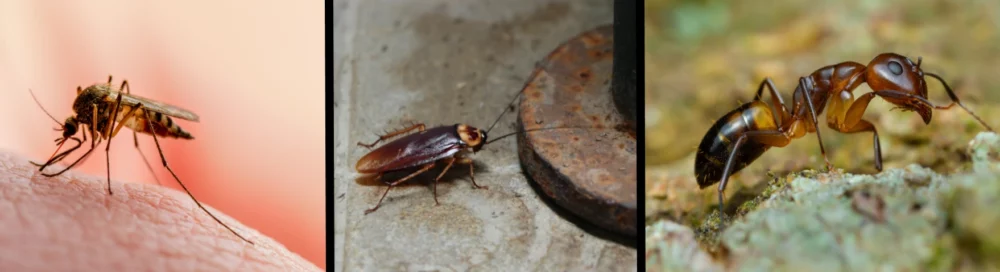
At a glance Identify Florida household pests by their evidence and habits, then match prevention and inspection to the pest. Florida pest pressure: what the
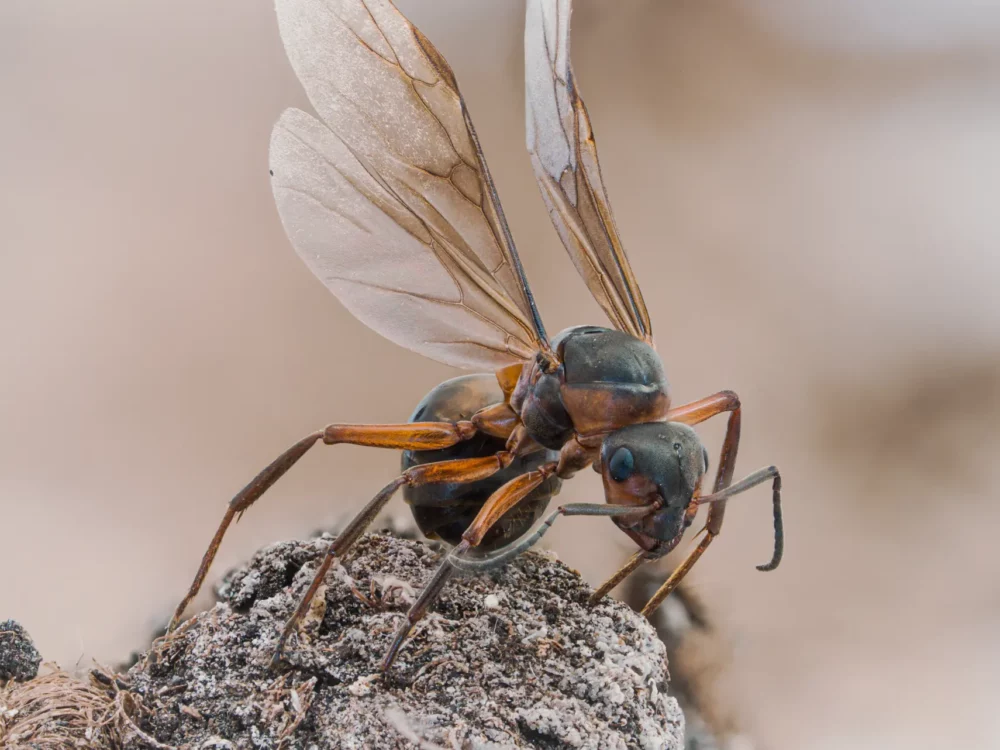
At a glance Confirm ants versus termites, record where the swarm emerged, and target the identified source rather than only the flyers. Flying ants are
At a glance A wild iguana tolerating nearby people is not promising safe contact. Maintain distance, avoid feeding and handling, and assess recurring activity without
Maggots are fly larvae, not insects that appear spontaneously from dirt. A sudden cluster usually calls for a search for moist organic material and the route adult flies used. Remove the breeding source, clean the affected area, and watch for larvae or adults that emerge from remaining stages.
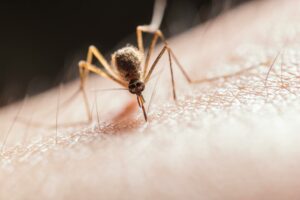
Browse article topics At a glance Why mosquitoes find habitat around Naples How to Eliminate Standing Water for DIY Mosquito Control Targeting Mosquito Larvae Before
At a glance Florida iguana hunting questions require separate checks for species, land permission, current possession rules, humane handling and local restrictions. A general removal
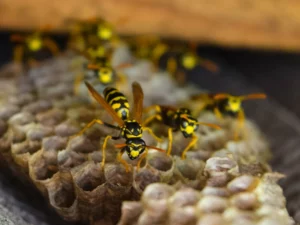
Understand social and solitary wasp activity, Florida winter exceptions and why a quiet nest is never a safe DIY removal window.